

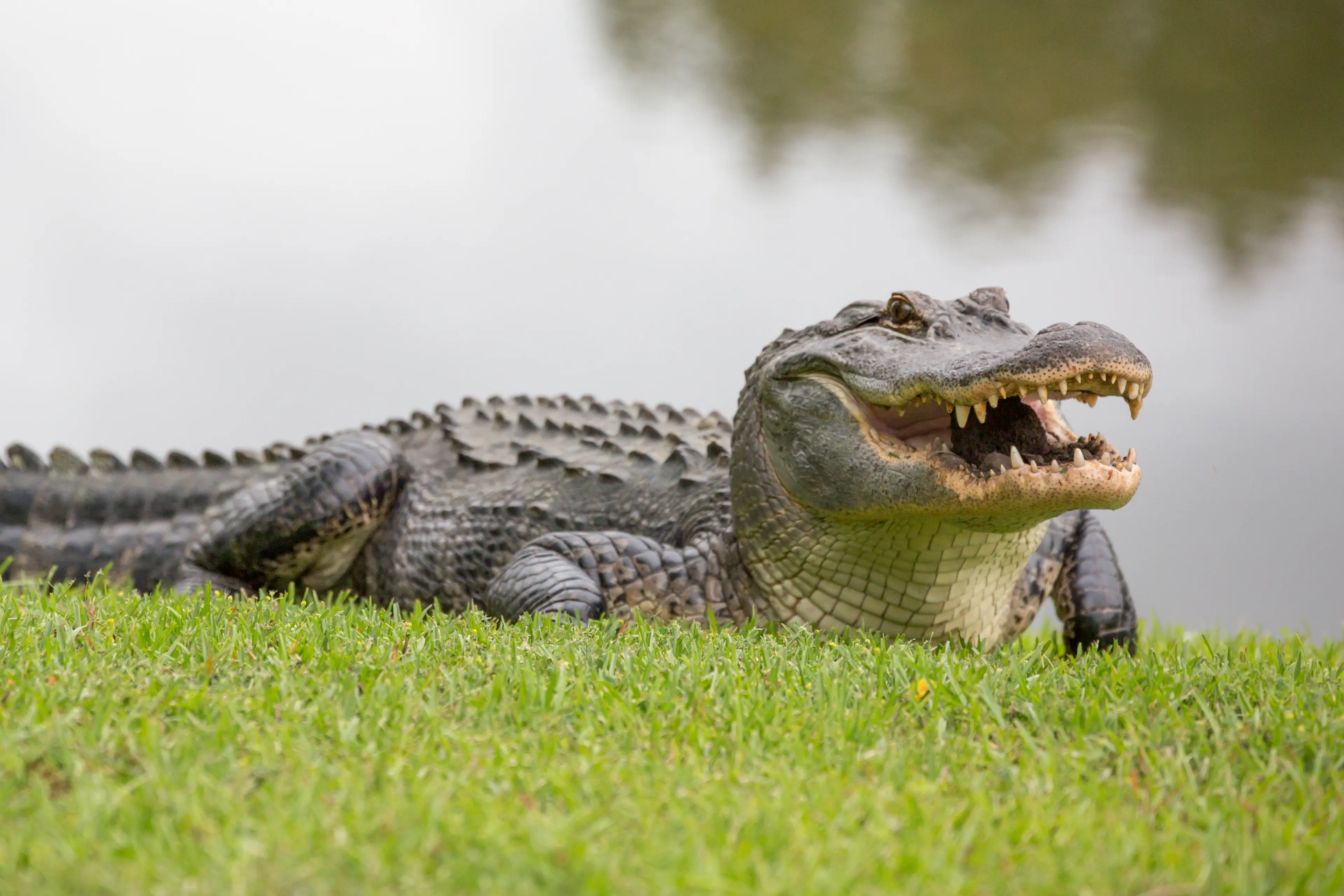
For South Florida dog owners, a canal, retention pond, lake, or wetland edge deserves a different safety mindset than an ordinary patch of grass. The safest routine is to keep dogs leashed, keep them back from the water’s edge, and skip swimming in fresh or brackish natural water where alligators or crocodiles may be present.
That guidance matters across Florida, but the crocodile piece is especially local. The Florida Fish and Wildlife Conservation Commission notes that Florida is the only place in the United States where American crocodiles occur in the wild, while American alligators are found throughout the state. In late August 2026, South Miami police renewed warnings around canals and waterways after a dog was killed in a crocodile attack.
The goal is not to make every waterfront walk frightening. It is to build a few habits that reduce the chance of a dog getting close enough for an encounter to happen.
Treat the water’s edge as the risk zone
FWC’s pet-safety guidance is direct: avoid walking pets next to the edge of ponds, lakes, rivers, wetlands, and other fresh or brackish water bodies, and do not allow pets to swim in those areas. Large reptiles can be present even when you do not see one from the path.
That changes how to think about a familiar neighborhood pond. The question is not only, “Do I see an alligator?” It is, “Am I giving my dog enough distance and control if something is hidden near the bank?”
Choose the inland side of a path when possible. If a trail narrows beside a canal or pond, shorten the leash before you reach the narrow section instead of waiting until your dog pulls toward the water. Do not let sniffing turn into investigating reeds, muddy banks, drainage edges, or vegetation that blocks your view.
Florida’s wildlife guidance does not provide one universal number of feet that guarantees safety in every setting, so avoid turning an arbitrary distance into a promise. The useful rule is simpler: maximize practical distance from the bank and stay positioned to move away immediately.
Use a leash you can control quickly
FWC repeatedly recommends keeping pets on a leash around alligators and crocodiles. For the owner, the important part is not merely that a leash exists; it is that the setup lets you stop forward movement before the dog reaches the shoreline.
A fixed-length leash is often easier to manage near water than allowing a dog a long roaming radius. Keep enough slack for comfortable walking, but not so much that the dog can reach a hidden bank, tall grass, or the water before you can respond.
Check the entire walking setup before outings: leash hardware, collar or harness attachment points, stitching, buckles, and fit. A waterfront walk is a poor place to discover that a clip no longer closes securely.
Our dog water-safety guide covers the broader Florida water routine, including pools, beaches, natural water, hydration, algae checks, and post-swim care. Around alligator or crocodile habitat, however, wildlife avoidance comes before swimming practice.
Do not use natural freshwater as a dog swimming spot
A hot Florida day can make a lake or canal look like an easy place for a dog to cool down. FWC advises otherwise around alligator habitat: pets should not swim in fresh or brackish water, even for short periods.
Bring your dog’s cooling and hydration plan with you instead of relying on natural water. Pack fresh drinking water and a portable bowl. Choose shaded breaks. Adjust walking time and duration to the weather. If swimming is part of the day, use a setting where dog access is permitted and the specific environment can be evaluated more safely.
This also avoids stacking hazards. Florida natural water can involve more than wildlife, including harmful algal blooms and changing water-quality conditions. One conservative decision—keeping the dog out—can reduce several different exposures at once.
Be extra deliberate from dusk through dawn
FWC notes that alligators and crocodiles are most active between dusk and dawn. That does not mean daytime walks are risk-free, but it makes low-light waterfront routines a poor time for relaxed, long-range exploration.
For early-morning and evening bathroom trips near canals, ponds, lakes, or wetlands:
- turn on exterior lighting before opening the door when possible;
- accompany the dog rather than sending them into the yard alone;
- use a leash in areas where the dog could approach water;
- scan the route before letting the dog move toward vegetation or the bank;
- keep the outing focused rather than lingering beside the shoreline.
FWC also recommends accompanying dogs even in fenced yards because wildlife can enter residential spaces. A fence can be useful management, but it does not make supervision unnecessary when a property borders wildlife habitat.
Waterfront yards need different habits
If your home backs up to a canal, pond, lake, or other water body, design the dog’s routine around the assumption that wildlife may occasionally be nearby.
Do not leave pet food outdoors unattended. FWC advises feeding pets in your presence and removing uneaten food and feeding containers afterward because outdoor food can attract wildlife. Avoid feeding other wildlife as well; indirect feeding can change animal behavior around people and homes.
Keep gates and fencing maintained, but do not encourage the dog to patrol the shoreline. A fenced lawn can still place a curious dog close to the water if the boundary runs along the bank.
Before letting the dog out at night, use light and visually check the yard. After storms, landscaping work, or changes in water level, re-check the places where vegetation, debris, or erosion may have altered visibility near the edge.
For a broader outdoor inspection routine after Florida rain, pair these habits with rainy-season paw, yard, and water-safety checks rather than treating each hazard as a separate project.
If you see an alligator or crocodile, create distance
Do not approach for a photo, do not allow your dog to investigate, and do not try to move the animal yourself. Keep control of the leash and calmly increase distance.
FWC’s guidance is also clear that feeding alligators or crocodiles is illegal and dangerous because feeding can cause them to associate people with food. That includes behavior that indirectly attracts wildlife around waterfront areas.
If an animal is on or near your normal walking route, choose another route rather than repeatedly testing how close you can pass. Wildlife may shift position, enter the water, or become difficult to see in vegetation.
Know when to call FWC
Florida’s Statewide Nuisance Alligator Program gives residents a direct reporting path. If you are concerned about an alligator that you believe poses a threat to people, pets, or property, FWC directs callers to the Nuisance Alligator Hotline at 866-FWC-GATOR, or 866-392-4286.
FWC explains that an alligator is generally considered a nuisance when it is at least four feet long and the caller believes it poses a threat to people, pets, or property, while some smaller animals in inappropriate places can also require a response. The agency—not the homeowner—should determine how a reported animal is handled.
For crocodiles, FWC likewise advises keeping a safe distance and contacting the agency when there is a concern. American crocodiles are protected, so residents should not attempt to capture, harass, injure, or relocate one themselves.
If an immediate public-safety situation is unfolding, use appropriate emergency services rather than relying only on a routine wildlife report.
Do not try to rescue a dog by entering the water
This is one of the hardest rules because instinct can push an owner toward the dog. Entering the water or physically confronting a large reptile can turn one emergency into two.
Prevention matters precisely because there may be no safe owner intervention once an attack is underway. The most useful actions happen earlier: leash control, distance, route choice, yard supervision, and keeping the dog out of natural fresh or brackish water.
If a dog is injured in a wildlife encounter and can be recovered safely, contact a veterinarian promptly. FWC’s general pet-wildlife guidance advises veterinary follow-up for pets bitten or injured by wildlife.
Keep emergency veterinary information saved before you need it. Our dog first-aid kit guide focuses on records, transport supplies, emergency contacts, and the limits of home first aid. For other common Florida wildlife encounters, see our snake-safety guide.
Alligator and crocodile are not interchangeable in South Florida
For everyday prevention, many of the same rules apply to both animals: keep distance, leash pets, stay away from the water’s edge, avoid natural-water swimming, never feed wildlife, and contact FWC when an animal creates a concern.
But South Florida residents may encounter either species. FWC’s 2026 identification guidance notes that American alligators generally have a broader, more rounded snout, while American crocodiles have a narrower, more pointed snout and may show lower teeth when the mouth is closed. Crocodiles are also associated more strongly with coastal and brackish environments in South Florida.
Identification can be interesting, but you do not need to identify the species correctly before moving your dog away from the water. Distance is the first decision.
A practical South Florida water-edge routine
For Miami-area dog owners, make these habits automatic:
- keep dogs leashed around canals, ponds, lakes, wetlands, and fresh or brackish water;
- walk on the inland side of the path and stay back from the bank;
- do not allow dogs to swim in natural fresh or brackish water where large reptiles may be present;
- be especially deliberate during dusk, night, and early-morning outings;
- accompany dogs in waterfront yards instead of assuming a fence removes wildlife risk;
- remove outdoor pet food and avoid feeding wildlife;
- move away rather than approaching an alligator or crocodile;
- save the FWC Nuisance Alligator Hotline, 866-392-4286, before you need it;
- contact a veterinarian promptly if your dog is injured in a wildlife encounter.
South Florida’s canals, lakes, parks, and wetlands are part of what makes outdoor life here distinctive. Coexisting with wildlife does not require panic. It requires recognizing that a dog experiences the shoreline differently from a person: interesting smells, movement in reeds, and access to water can all pull them toward the exact zone where you want more control.
Keep the routine simple—leash, distance, supervision, no natural-water swimming, and a plan for who to call—and you remove many of the preventable opportunities for a dangerous encounter.
For leashes, collars, harnesses, portable bowls, and other gear used in that routine, review our pet product safety guidance and inspect equipment regularly for wear or damage.
Sources & further reading
These references were used to support or expand the information in this article. External guidance can change over time, so check the linked source for the latest details.
- 1. Florida Fish and Wildlife Conservation Commission. Living with Alligators and Crocodiles — accessed Sep 3, 2026
- 2. Florida Fish and Wildlife Conservation Commission. Cats and Dogs — Protect Your Pets — accessed Sep 3, 2026
- 3. Florida Fish and Wildlife Conservation Commission. Statewide Nuisance Alligator Program — accessed Sep 3, 2026
- 4. Florida Fish and Wildlife Conservation Commission. FWC Provides Tips on Identifying American Alligators and Crocodiles — accessed Sep 3, 2026
- 5. Florida Fish and Wildlife Conservation Commission. Learn How to Be Croc-Wise — accessed Sep 3, 2026
- 6. Local 10 News. Police Urge Extreme Caution After Crocodile Kills Dog in South Miami — accessed Sep 3, 2026
Continue Learning
Related Maxi Pawz guides

Miami Dog Safety
Dog Water Safety in Florida: Pools, Beaches & Algae Blooms
Plan safer Florida water days with your dog, from gradual swim introductions and life jackets to beach rules, fresh drinking water, algae-bloom checks, rinsing, and post-swim care.
Read guide
Miami Dog Safety
Snake Safety for Dogs in Florida: Prevention and What to Do After a Bite
Learn practical ways to reduce snake encounters with your dog in Florida, recognize when a possible bite is an emergency, and know what to do on the way to veterinary care.
Read guide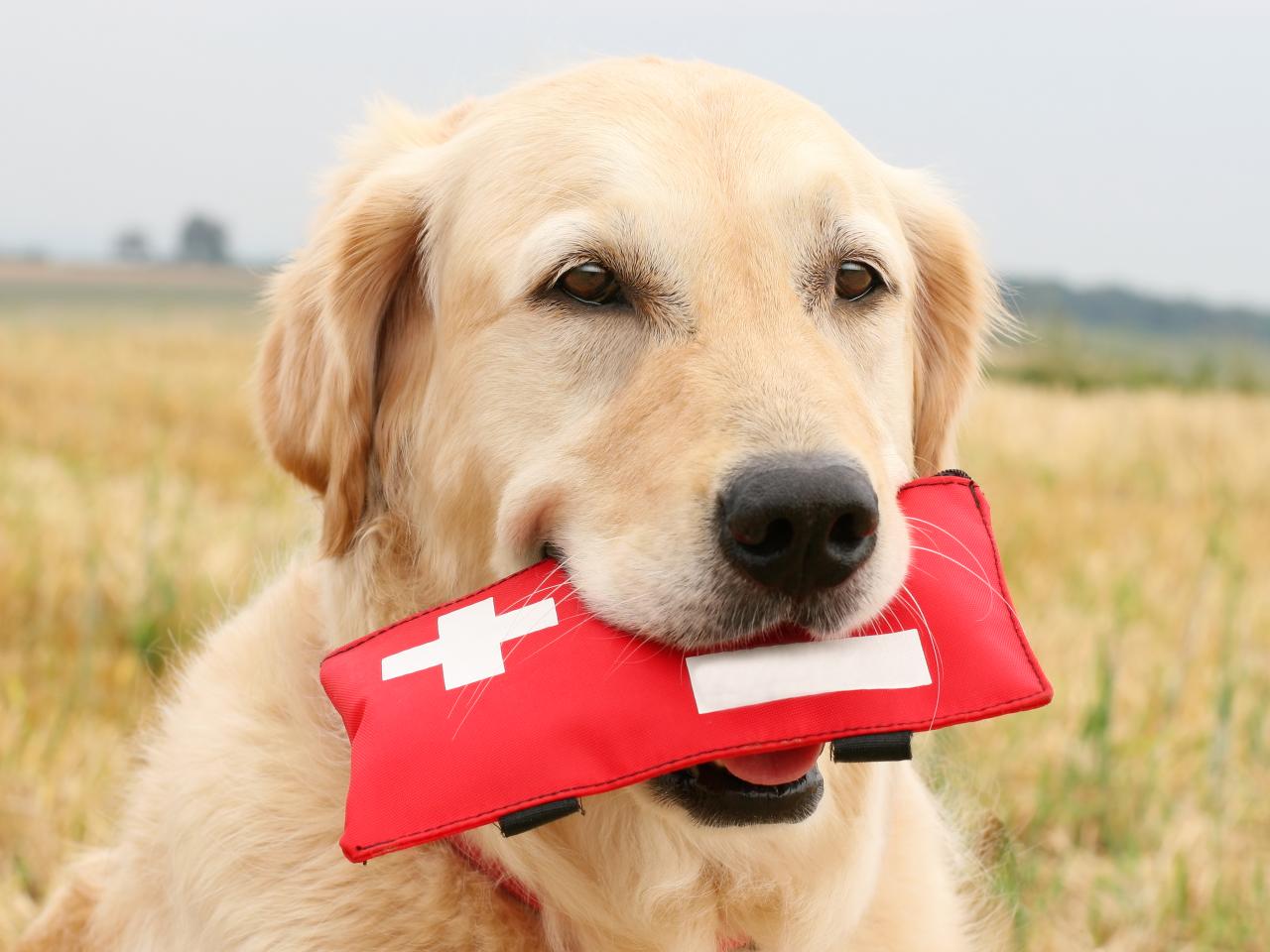
Dog Safety
Dog First Aid Kit: What to Pack Before You Need It
Build a practical dog first aid kit with bandaging supplies, emergency contacts, medical records, transport essentials, and veterinarian-approved items for home, car, and travel.
Read guide