

A backyard cookout can look like a perfect dog-friendly afternoon: people outside, interesting smells, a patch of shade, and plenty of attention. The risk is that a barbecue also concentrates several things dogs should not have in one small area—toxic foods, fatty scraps, bones, corn cobs, skewers, alcohol, hot grills, lighter fluid, charcoal, and food-scented trash.
The safest plan is not to memorize every possible emergency while guests are arriving. It is to set up the gathering so your dog has fewer chances to make a dangerous choice in the first place.
Start with one rule: people food stays controlled
Dogs do not understand the difference between a harmless-looking dropped bite and something that can cause poisoning or an intestinal obstruction. During a cookout, one guest may know not to feed the dog while another assumes a small sample is fine.
Make the household rule simple before food comes outside: do not feed the dog from plates, serving tables, the grill, or the trash. If you want your dog to have a treat during the gathering, set aside a dog-appropriate option in advance and let one person be responsible for it.
That approach also protects the dog’s normal diet. Rich, greasy, heavily seasoned foods may cause digestive upset even when the ingredients are not specifically toxic. A cookout is not the best time to test how much bacon, sausage, cheese, sauce, or grilled fat your dog can tolerate.
For everyday feeding habits, our feeding and hydration guide explains why consistency matters more than sharing whatever the family happens to be eating.
Know the high-risk foods that show up around cookouts
The U.S. Food and Drug Administration and ASPCA both identify several common human foods that can be dangerous to dogs. At a barbecue, pay special attention to the foods that are easy to leave on a table or drop while serving.
Grapes and raisins
Fruit trays, salads, desserts, and snack mixes may contain grapes or raisins. These can cause serious kidney injury in dogs, and there is no reliable “safe amount” that makes casual sharing a good idea.
Onion, garlic, chives, and heavily seasoned foods
Onions and garlic appear in marinades, rubs, burger toppings, dips, sauces, kebabs, potato salads, and many prepared foods. Members of the allium family can damage red blood cells and cause illness in dogs.
The practical problem is that you may not know exactly how much onion or garlic is hidden in a sauce. Instead of trying to reverse-engineer every recipe at the table, keep seasoned people food away from the dog.
Chocolate and cocoa
Chocolate desserts are obvious, but cocoa powder can also appear in some barbecue rubs and sauces. Keep brownies, cookies, chocolate candy, desserts, and cocoa-containing seasonings out of reach.
Xylitol
Xylitol is a sweetener that may appear in sugar-free candy, gum, desserts, some nut butters, jams, medications, and other products. The FDA warns that xylitol can cause a rapid, dangerous drop in a dog’s blood sugar and can be life-threatening.
Do not rely on the front label alone. If a sugar-free product or nut butter may be shared with the dog or used around food enrichment, check the ingredient list first.
Alcohol
Beer, cocktails, wine, hard seltzers, mixed drinks, and spills should stay out of reach. Alcohol can cause significant illness in pets. Do not leave cups on low tables, grass, pool decks, or patio edges where a curious dog can sample them.
The biggest hazard may be something that is not toxic at all
Some of the most dangerous cookout items are not poisons. They are objects that smell like food and can be swallowed.
The FDA specifically notes that corn cobs and bones can cause gastrointestinal obstruction. ASPCA barbecue guidance also calls out corn cobs, wooden or metal skewers, bones, and charcoal briquettes as hazards because swallowed items may obstruct or injure the digestive tract.
That means the end of the meal deserves as much planning as the beginning.
Use a trash container with a secure lid. Do not leave a lightweight bag of food waste on the patio while people keep talking. Collect skewers directly from plates instead of stacking them at dog height. Move corn cobs, bones, foil, food wrappers, butcher string, and greasy paper products into closed trash promptly.
A dog who normally ignores the kitchen trash may behave differently when a bag smells like meat, grease, and an entire afternoon of leftovers.
Make the grill zone a no-dog zone
The grill itself creates a separate category of risk: burns, hot grease, falling food, sharp tools, smoke, and cooking chemicals.

Treat the grill zone as a no-dog area while it is hot, while food is being moved, and while lighter fluid or cooking tools are in use.
Photo by Shixart1985Source: Wikimedia Commons
Set a physical boundary around the cooking area before the grill is hot. Depending on the household, that may mean the dog stays inside, behind a gate, on the other side of the patio, or with an adult who is not also cooking.
Avoid letting a dog wander beneath the person carrying raw meat, hot pans, grill baskets, or plates. A dropped piece of food can make the dog rush toward the exact spot where hot grease or utensils are falling.
ASPCA guidance also identifies lighter fluid and tiki-torch fuel as potentially harmful. Store fuel, matches, fire starters, charcoal products, and pest-control supplies where pets cannot investigate them.
Even after cooking ends, remember that grills, grates, drip trays, ash, charcoal, and grease can remain hot or attractive to a dog. “The food is finished” does not mean the cooking area is immediately safe.
Give your dog a better place to be
Management works best when it is not just a series of “no” commands.
Before guests arrive, decide where your dog can comfortably spend the gathering. That might be a shaded section of the yard away from food, a familiar indoor room, a crate for a dog who is already comfortable using one, or a resting area with water and a familiar toy.
A few practical details help:
- keep fresh water available away from the serving area;
- give the dog a normal meal on the normal schedule rather than expecting party scraps to become dinner;
- choose enrichment that you already know the dog can use safely;
- keep gates and exterior doors controlled when guests are moving in and out;
- assign one adult to know where the dog is during the busiest parts of the meal.
For toys or enrichment used during a gathering, choose items that fit the dog’s size and play style and remove damaged products promptly. Our guide to choosing safer dog products provides a broader framework for size, materials, supervision, and replacement.
Plan for guests who love your dog
Well-meaning guests are a predictable variable. Someone may want to slip the dog a rib bone, a piece of sausage, or “just one” bite from a plate.
A short explanation works better than a complicated nutrition lecture: “Please don’t feed her from the table—some of the foods and scraps here aren’t safe for dogs.”
If children are present, make the rule even easier: only the designated adult gives the dog food. That reduces accidental double-feeding and keeps kids from experimenting with foods they assume a dog will enjoy.
If your dog is persistent around food, management is safer than expecting perfect obedience while twenty new smells are at nose level. Moving the dog away from the food zone is not a failure of training. It is good event design.
If your dog eats something, do not guess
If you see your dog swallow a potentially dangerous food or object, act based on what was eaten, approximately how much, when it happened, and how the dog is behaving.
Save the package, ingredient label, recipe, or product container if one is available. For a swallowed object, note what it was and its approximate size. That information can help a veterinarian or poison-control professional make a more useful recommendation.
Do not automatically induce vomiting and do not give a home remedy simply because it appears in an online search. The right response varies by substance and situation, and inducing vomiting can be unsafe in some cases.
The FDA recommends contacting your veterinarian, an emergency animal hospital, or an animal poison-control service when a pet gets into something potentially dangerous. ASPCA Animal Poison Control is available 24/7 at 888-426-4435; a consultation fee may apply.
For xylitol exposure, the FDA emphasizes that signs can develop quickly and the situation can become life-threatening. Treat suspected xylitol ingestion as an urgent call rather than waiting to see whether the dog looks sick.
Our dog first aid kit guide can help you keep veterinary contacts, records, and basic emergency supplies organized before an incident happens.
Watch the trash after the party too
The cookout may be over, but the risk can remain in the kitchen, garage, or side yard where bags are waiting to go out.
Before going to bed, do one final sweep:
- move food waste into a dog-inaccessible container;
- check under tables for dropped bones, corn pieces, skewers, wrappers, gum, and desserts;
- remove cups and spilled drinks;
- secure leftover sauces and sugar-free products;
- check the grill area for grease, charcoal, tools, and food scraps;
- confirm gates are closed and the dog has returned to the normal household routine.
This five-minute cleanup is often more valuable than buying another pet-safety product. Prevention here is mostly about controlling access.
A safer cookout is mostly good setup
Dog BBQ safety does not require keeping your dog isolated from every family gathering. It requires recognizing that a cookout combines food, heat, sharp objects, chemicals, open doors, excited guests, and tempting trash in ways that can overwhelm ordinary routines.
Keep people food controlled. Make the grill zone off-limits. Secure trash early. Give your dog a comfortable alternative place to settle. And if an ingestion happens, call for case-specific professional guidance instead of improvising.
That is the Maxi Pawz approach to practical safety: design the environment so the safer choice is also the easier choice.
Sources & further reading
These references were used to support or expand the information in this article. External guidance can change over time, so check the linked source for the latest details.
- 1. ASPCA. What BBQ Staples are Dangerous to My Pet? — accessed Sep 5, 2026
- 2. ASPCA. People Foods to Avoid Feeding Your Pets — accessed Sep 5, 2026
- 3. U.S. Food and Drug Administration. Potentially Dangerous Items for Your Pet — accessed Sep 5, 2026
- 4. U.S. Food and Drug Administration. Paws Off! Xylitol is Toxic to Dogs — accessed Sep 5, 2026
- 5. U.S. Food and Drug Administration. Who Do You Call if You Have a Pet Emergency? — accessed Sep 5, 2026
Continue Learning
Related Maxi Pawz guides
Dog Safety
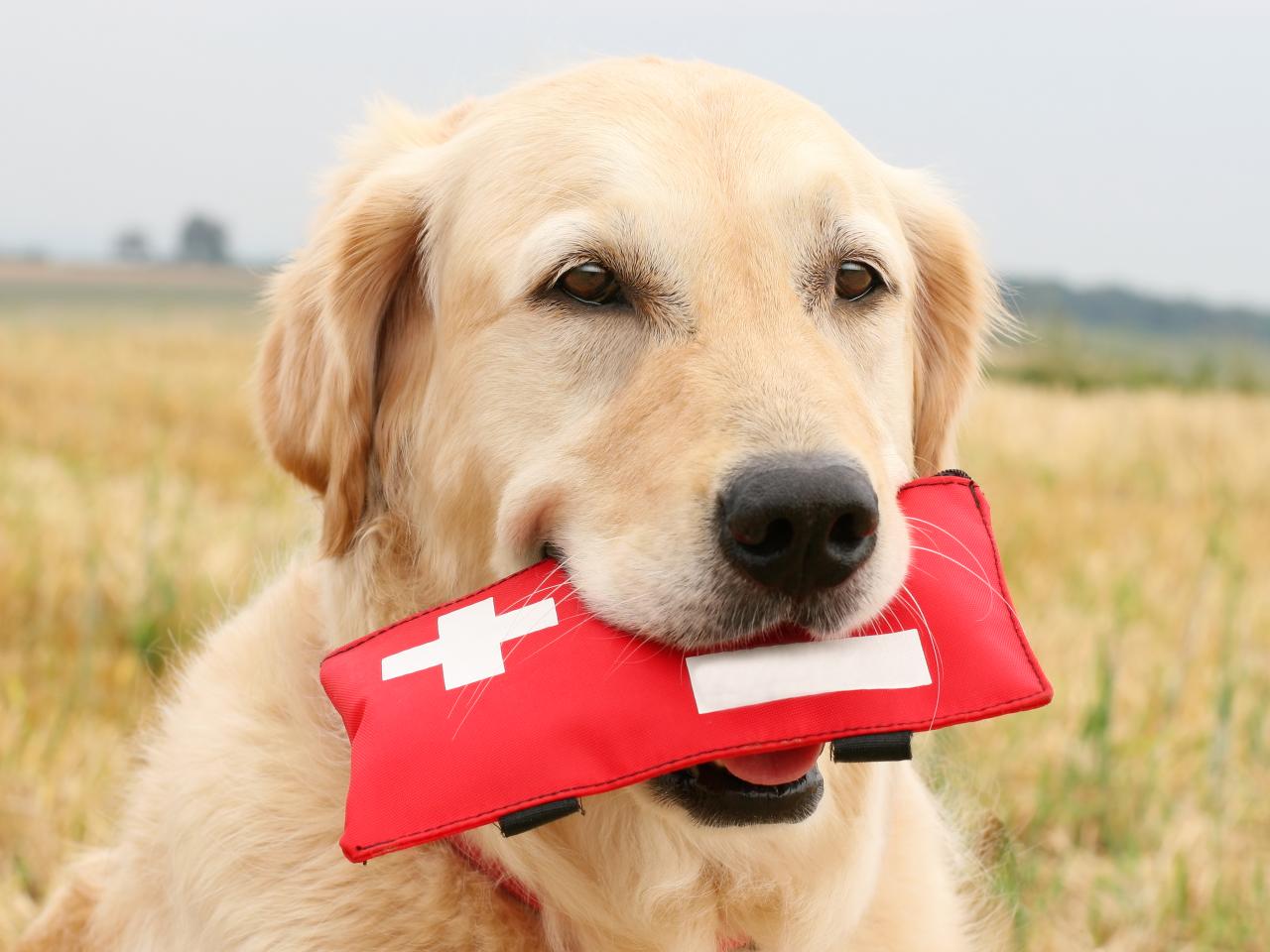
Dog First Aid Kit: What to Pack Before You Need It
Build a practical dog first aid kit with bandaging supplies, emergency contacts, medical records, transport essentials, and veterinarian-approved items for home, car, and travel.
Read guide
Feeding & Hydration
Dog Feeding and Hydration Essentials for Everyday Routines
Build practical dog feeding and hydration routines with guidance for clean bowls, food storage, portable water, warm-weather walks, travel, and everyday organization.
Read guide
Dog Product Safety
How to Choose Safe Toys and Products for Your Dog
Learn how to choose dog toys and everyday products based on your dog’s size, age, habits, play style, materials, fit, supervision needs, and daily routine.
Read guide