


A safer dog road trip starts before the engine turns on. The useful goal is not simply to keep a dog inside the vehicle. It is to reduce driver distraction, limit uncontrolled movement, prevent heat exposure, plan realistic breaks, and arrive with the records and supplies your dog may need.
That routine matters on a cross-country vacation, but it also matters on ordinary drives to a park, hotel, family visit, veterinarian, or weekend getaway. A dog that roams between seats, hangs far out of a window, or waits alone in a parked car is exposed to avoidable risk even when the drive itself is short.
Start with the restraint setup
Dogs should not have unrestricted access to the driver’s space while the vehicle is moving. ASPCA travel guidance recommends keeping dogs secured in a well-ventilated crate or carrier, or using an appropriate harness attached to the vehicle restraint system when a crate is not the chosen setup.
The exact option depends on the dog’s size, body shape, behavior, the vehicle, and the product being used. A crate or carrier should be large enough for the dog to stand, sit, lie down, and turn around, and it should be secured so it cannot slide or shift during abrupt driving.
A harness-based setup deserves the same attention. Do not assume that any walking harness plus any clip marketed online becomes a crash-protection system. The Center for Pet Safety distinguishes between products intended mainly to reduce distraction and products evaluated for crash protection, and it warns consumers not to treat the words “crash tested” as proof that a product actually passed an independent performance standard.

A travel harness should fit the individual dog correctly and be used exactly as the manufacturer intends. Photo licensed CC BY 2.0.
Photo by Jernej FurmanSource: Wikimedia Commons
Read the manufacturer’s instructions for the exact harness, crate, carrier, or restraint you own. Confirm the dog’s fit before a long trip, inspect webbing and hardware for wear, and replace damaged equipment rather than improvising a connection point.
Keep dogs out of the front-seat decision zone
A dog climbing onto the driver’s lap, moving across the center console, or blocking mirrors creates a distraction before any crash protection question even begins.
A back-seat or properly secured cargo-area setup usually gives the driver a clearer workspace and helps separate the dog from pedals, steering controls, airbags, loose food, medications, and other front-seat hazards. The Center for Pet Safety also recommends keeping dogs in the back seat when using harness restraint systems.
Do not let a dog ride with the head extended far outside the window. Airflow may feel enjoyable, but debris and sudden movement create unnecessary injury risk. A slightly open window for ventilation is different from giving the dog enough access to lean the head and upper body outside.
Never use the parked car as a waiting room
This is the simplest rule in the guide: do not leave your dog alone in a parked vehicle.
CDC guidance says vehicle interiors can heat to dangerous temperatures very quickly, even when outdoor conditions do not seem extreme. Opening a window slightly does not solve the problem. The CDC notes that a vehicle’s interior can rise almost 20°F within the first 10 minutes even with a window cracked.
That makes errands especially risky. If a stop does not allow the dog to come with you, plan the trip differently rather than treating “just a few minutes” as a safe temperature-control strategy.
This matters year-round in South Florida, but it is not a Miami-only concern. The same parked-car rule applies nationally whenever a vehicle can become dangerously hot or cold.
Practice before the long drive
A first road trip should not also be the dog’s first meaningful car experience.
ASPCA recommends building up gradually with shorter drives before attempting a long trip. That gives you a chance to notice motion sickness, excessive panting unrelated to heat, vocalization, frantic movement, reluctance to enter the vehicle, or problems with the restraint setup while you are still close to home.
Start with uneventful destinations when possible. A short ride that ends with a walk or calm activity can be more useful practice than teaching the dog that every car trip ends at a veterinary clinic or grooming appointment.
If your dog consistently becomes nauseated, panicked, or medically unwell in the car, discuss the pattern with your veterinarian before a long trip. Do not improvise human motion-sickness medication or sedatives.
Plan water and breaks around the individual dog
Road-trip break schedules should be based on the dog rather than a rigid mileage rule. Age, health, medications, bladder habits, conditioning, weather, and stress all change how frequently a dog may need to stop.
At each suitable break, offer an opportunity to eliminate, drink water, and move safely on leash. In hot weather, choose shaded or cooler areas when possible and keep an eye on pavement temperature and overall heat exposure.
Bring water you know is safe for your dog and a clean bowl. Our dog hydration guide covers hot-weather planning in more detail, including why water access and activity timing matter so much in South Florida conditions.
Do not turn highway rest stops into off-leash exercise areas unless the location is specifically designed and securely enclosed for that use. Travel environments combine unfamiliar smells, traffic, open doors, other animals, and people—exactly the situation where reliable physical control matters.
Pack a compact travel kit
A useful road-trip kit does not need to fill the trunk. It should cover the problems that become harder to solve once you are away from home.
Pack:
- a regular leash plus a backup;
- food and any required medications;
- fresh water and a travel bowl;
- waste bags;
- current identification information;
- vaccination and relevant medical records;
- veterinarian and emergency-clinic contact information;
- a recent photo of your dog;
- a towel or familiar bedding;
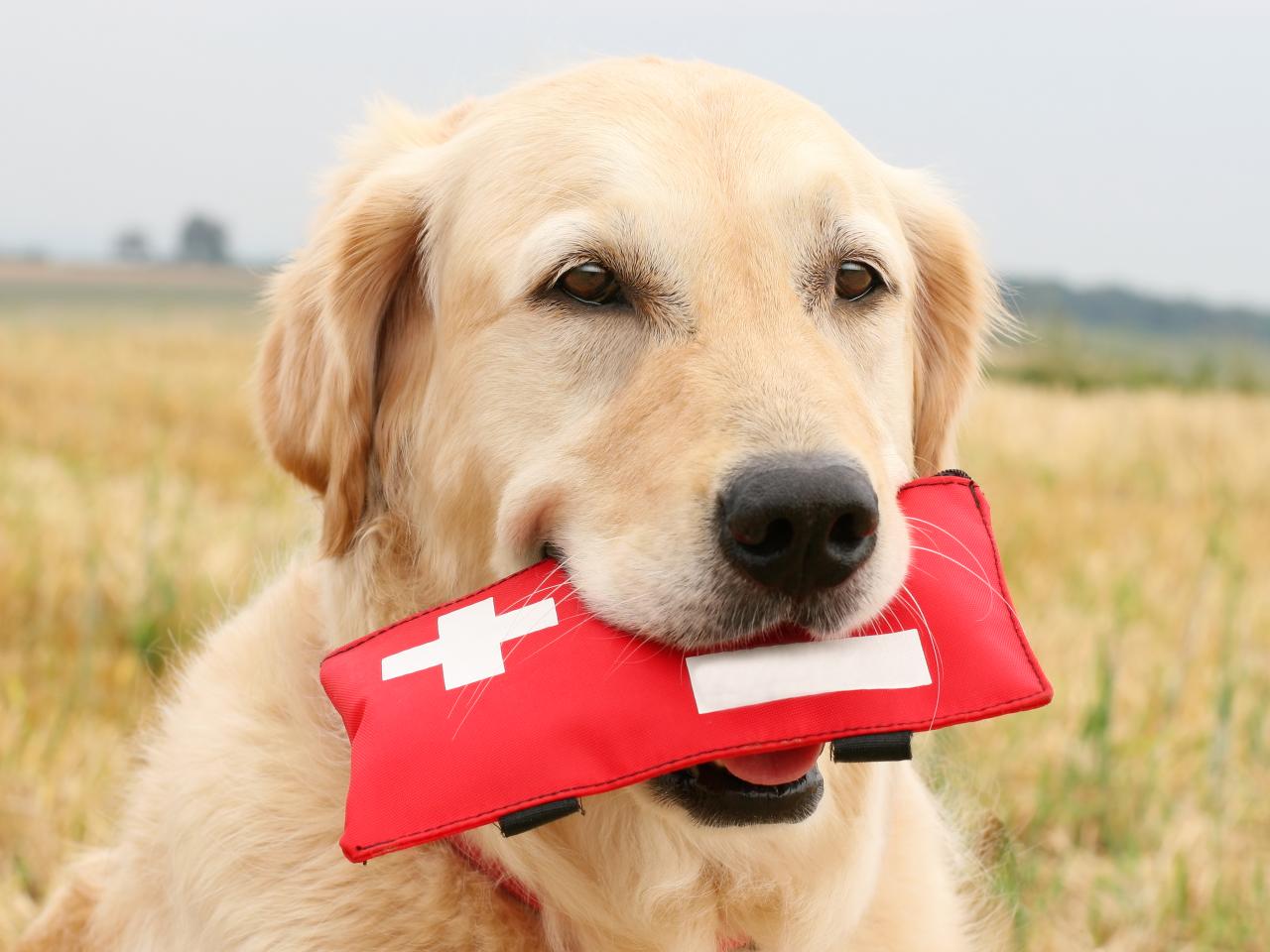
- a small first-aid kit appropriate for travel.
Our dog first-aid kit guide explains how to organize emergency contacts, bandaging supplies, records, and transport essentials without turning a travel bag into a DIY veterinary pharmacy.
Secure loose travel gear so it does not become a projectile during sudden braking. Heavy water containers, hard toys, luggage, and other objects should not be left free to move around the cabin.
Check destination requirements before crossing state lines
Domestic travel rules are not identical everywhere.
USDA APHIS states that it does not set the health requirements for pets moving from one U.S. state or territory to another; those requirements are established by the destination state or territory. Depending on the destination, requirements can involve health certificates, vaccinations, testing, or other documentation.
Check the destination’s current rules before departure instead of relying on an old checklist or assuming your home state’s requirements apply everywhere. If the requirements are unclear, your veterinarian can help you identify the appropriate documentation and timeline.
For international trips, start even earlier. Entry and return requirements can be substantially more complex and may change, so use current government guidance for the specific country and route.
Inspect the setup at every major stop
A restraint that fit correctly at home can loosen after repeated loading, unloading, twisting, or movement.
Before getting back on the road, quickly check:
- harness fit and strap position;
- crate or carrier latches;
- seat-belt routing or approved attachment points;
- frayed webbing, bent hardware, or damaged clips;
- whether the dog can reach something unsafe from the travel position;
- whether luggage has shifted into the dog’s space.
This same product-safety mindset applies to all pet travel gear. Our choosing-the-right-product guide explains why fit, construction, intended use, and the individual dog’s behavior matter more than a broad marketing label.
Do not make food the center of the moving car
ASPCA advises against feeding a pet in a moving vehicle and recommends planning meals before travel rather than improvising while the car is underway. For dogs prone to motion sickness, meal timing may matter even more.
Keep normal treats modest and purposeful. A small reward after a calm practice ride is different from continuously feeding a dog throughout highway travel. Dogs with prescription diets, diabetes, gastrointestinal disease, or other medical needs should follow their veterinarian’s feeding plan rather than generic road-trip advice.
Build an arrival routine too
Travel safety does not end when the vehicle parks.
Before opening the car door, attach the leash while the dog is still controlled. In an unfamiliar hotel, rental, campground, or relative’s home, inspect the area before giving the dog full access. Look for medications on floors, open gates, balconies, unfamiliar pets, exposed food, trash, and escape routes.
Keep identification on the dog and confirm that your contact information is current before the trip. A familiar bed, mat, or toy can also help make a new environment more predictable after a long day of travel.
The practical road-trip routine
A repeatable car-travel routine is straightforward:
- choose a restraint or carrier setup that fits the dog and vehicle;
- practice on short drives before the major trip;
- keep the dog separated from the driver’s workspace;
- never leave the dog alone in a parked vehicle;
- carry water, records, medication, identification, and a compact first-aid kit;
- plan leash-controlled breaks around the dog’s actual needs;
- recheck restraint fit and loose cargo during the trip;
- verify destination health-document requirements before interstate or international travel.
The safest travel gear is not necessarily the product with the biggest safety claim on the package. Look for clear intended use, appropriate fit, credible testing information when crash protection is claimed, and instructions you can actually follow every time. Pair that with the broader principles in our Pet Product Safety guidance, and the car becomes part of the dog’s safety routine rather than an exception to it.
Sources & further reading
These references were used to support or expand the information in this article. External guidance can change over time, so check the linked source for the latest details.
- 1. ASPCA. Traveling With Pets? Follow These Expert Dos and Don’ts to Keep Them Safe — accessed Sep 4, 2026
- 2. ASPCA. Travel Safety Tips — accessed Sep 4, 2026
- 3. USDA APHIS. Take a Pet From One U.S. State or Territory to Another — accessed Sep 4, 2026
- 4. Centers for Disease Control and Prevention. Heat and Pets — accessed Sep 4, 2026
- 5. Center for Pet Safety. How to Select a Harness — accessed Sep 4, 2026
- 6. Center for Pet Safety. Harnesses — accessed Sep 4, 2026
Continue Learning
Related Maxi Pawz guides
Dog Safety
Dog First Aid Kit: What to Pack Before You Need It
Build a practical dog first aid kit with bandaging supplies, emergency contacts, medical records, transport essentials, and veterinarian-approved items for home, car, and travel.
Read guide
Miami Dog Safety
Dog Hydration in Miami Heat: Water, Walking Times & Safety
Help your dog stay hydrated and safer in Miami heat with practical guidance for fresh water, walking times, shade, hot pavement, rest breaks, and warning signs.
Read guide
Dog Product Safety
How to Choose Safe Toys and Products for Your Dog
Learn how to choose dog toys and everyday products based on your dog’s size, age, habits, play style, materials, fit, supervision needs, and daily routine.
Read guide