
After a hard South Florida rain, the puddle at the end of the block can look like harmless dog entertainment. The safer assumption is different: do not let your dog drink, wade, or play in floodwater or standing water when you can avoid it. Leptospirosis is one reason why.
Leptospirosis is a bacterial disease that affects animals and people. The bacteria are shed in the urine of infected animals and can contaminate water or soil. CDC guidance notes that dogs can be exposed in cities, suburbs, and rural areas, and risk can increase around contaminated water and wildlife. Heavy rain and flooding matter because they can move animal urine into puddles, floodwater, soil, and other water sources.
That does not mean every Miami puddle contains Leptospira. It means wet-weather prevention is worth building into your routine—especially when streets, yards, parks, or walking routes have standing water after heavy rain.
Why heavy rain changes the leptospirosis conversation
Leptospira bacteria can survive in contaminated water or soil for extended periods under suitable conditions. Infected animals may include rodents, wildlife, livestock, pets, and other mammals. A dog may be exposed by drinking contaminated water, contacting contaminated water or soil, or through damaged skin and other routes described by veterinary and public-health guidance.
Florida’s climate makes the rain connection especially relevant. The Florida Department of Health notes that leptospirosis risk in people often increases after hurricanes or flooding and identifies hurricanes, flooding, and heavy rainfall as important exposure settings. CDC gives similar post-flood guidance.
For Miami-Dade residents, the local flood-safety message is already straightforward: the County advises keeping children and pets away from floodwaters. That recommendation also protects dogs from hazards that have nothing to do with leptospirosis, including debris, hidden holes, electrical hazards, contaminated runoff, sewage, and displaced wildlife.
So the practical rule is broader than one disease: floodwater is not a dog-play area or drinking source.
Build a wet-weather walking routine that avoids the problem
Prevention works best when it is part of the walk rather than something you try to enforce after your dog is already pulling toward a puddle.
On wet days:
- choose the driest practical route instead of walking through visibly flooded streets or park areas;
- keep your dog close enough that you can interrupt drinking from puddles, gutters, ditches, or standing water;
- carry clean drinking water when a dog may become thirsty during a longer outing;
- do not ask a dog to cross moving floodwater or water whose depth and footing you cannot judge;
- shorten or relocate the walk when flooding makes the normal route unsafe;
- rinse and dry muddy paws and lower legs after the outing, especially if your dog crossed damp soil or dirty splash zones;
- check paws for cuts or abrasions that may need veterinary attention.
If a storm temporarily makes outdoor exercise impractical, a shorter toilet break plus indoor enrichment is a better trade than treating floodwater as an obstacle course.
For the broader post-storm plan—including evacuation supplies, records, identification, and safe return home—use our hurricane preparedness guide for dogs.
Rodent control belongs in the prevention plan
Rodents are important carriers of the bacteria that cause leptospirosis. CDC prevention guidance recommends limiting access to rodents and controlling rodent problems.

Rodents are one source of Leptospira bacteria. Reducing access to food, trash, and rodent activity is part of a broader prevention routine.
Photo by Chuck Homler / Focus On WildlifeSource: Wikimedia Commons
For a household with a dog, that does not mean scattering poisons or traps where a pet can reach them. It means reducing the conditions that attract rodents in the first place and using pest-control methods with pet safety in mind.
Useful habits include keeping pet food in secure containers, cleaning up spilled food, closing trash containers, not leaving food bowls outdoors overnight, and addressing areas where rodents are routinely seen. If professional pest control is needed, tell the provider that pets live in the home and ask how products, bait stations, and treated areas should be managed around them.
Rodent control lowers one potential source of exposure, but it does not make standing water safe. Wildlife and other animals can also shed Leptospira.
Talk with your veterinarian about leptospirosis vaccination
Vaccination is an important part of prevention. CDC notes that a canine leptospirosis vaccine is available in the United States, while also emphasizing that vaccination does not provide 100% protection because multiple strains of the bacteria exist.
The American Animal Hospital Association updated its canine vaccination guidance so leptospirosis vaccination is considered a core vaccine. That reflects a broader understanding that exposure is not limited to farm dogs or dogs that spend their lives in the wilderness; urban and suburban dogs can be exposed too.
Your veterinarian should determine the appropriate vaccination plan for your dog based on age, health history, previous vaccination, local risk, travel, and other individual factors. If you are unsure whether your dog’s leptospirosis vaccine is current, check the medical record or ask the veterinary practice rather than guessing from memory.
Vaccination should also not be treated as permission to let a dog drink floodwater. It works best as one layer in a prevention strategy that also includes safer water choices, rodent control, and prompt veterinary care when illness occurs.
Know the signs without trying to diagnose at home
Leptospirosis does not have one unique symptom that a dog owner can identify from across the room. CDC lists a range of possible signs, and some infected animals may show few or no obvious signs at first.
Possible signs in dogs include:
- fever or marked lethargy;
- loss of appetite;
- muscle or joint pain;
- changes in how much the dog drinks or urinates;
- yellowing of the skin or eyes;
- vomiting;
- dehydration;
- signs associated with kidney injury, including back discomfort.
These signs can occur with many other illnesses. The important detail is the combination of possible exposure plus a dog that is becoming ill.
If your dog becomes sick after drinking from or wading through floodwater, a puddle, a pond, or other questionable water source, call a veterinarian promptly and mention the exposure. Do not wait for every symptom on a list to appear before asking for guidance.

Leptospirosis can resemble other illnesses. A dog that becomes sick after a possible exposure needs veterinary evaluation rather than a home diagnosis.
Photo by MarkBuckawickiSource: Wikimedia Commons
A veterinarian can decide what testing and treatment are appropriate. CDC advises contacting a veterinarian immediately when leptospirosis is suspected because early treatment may improve recovery and reduce severe organ damage.
Our dog first aid kit guide can help you keep veterinary contacts, medical records, transport supplies, and other emergency basics organized before an urgent situation develops.
Remember that leptospirosis can affect people too
Leptospirosis is zoonotic, which means infected animals can pose a risk to people. CDC notes that an animal that has not been fully treated may continue shedding bacteria in urine.
If your veterinarian suspects or diagnoses leptospirosis, follow the veterinary team’s instructions closely. Until you have professional guidance, avoid bare-skin contact with urine or blood, cover cuts, use appropriate protective gloves for necessary cleanup, wash hands after handling the dog or contaminated materials, and keep other pets away from urine-contaminated areas.
Anyone concerned about human exposure should contact a healthcare professional. Veterinary advice for the dog does not replace medical advice for a person.
The goal is not to become afraid of your pet. It is to handle a potentially zoonotic infection with the same calm, practical hygiene you would use for any condition that can spread through body fluids.
Leptospirosis is different from blue-green algae and other water hazards
Florida dog owners hear several warnings about water, and they are easy to blur together.
Leptospirosis is a bacterial infection associated with urine-contaminated water or soil. Harmful algal blooms are a different problem involving toxins produced by certain organisms. Salt water creates its own risks. Floodwater can also contain sewage, chemicals, sharp debris, and electrical hazards.
The common lesson is useful: you cannot decide that unfamiliar water is safe for a dog simply because it looks clear.
Before recreational swimming, check local conditions and advisories. After storms or flooding, be more conservative about standing water and runoff. Our dog water safety in Florida guide covers pools, beaches, natural water, algae, swimming ability, drinking water, and post-swim care in more detail.
A practical Miami after-rain checklist
When heavy rain has left water standing around your neighborhood:
- check local weather and flood information before choosing a route;
- keep your dog away from floodwater and discourage puddle drinking;
- bring clean water for longer walks;
- choose dry ground where practical and turn around when a route is flooded;
- keep pet food and household trash secured to reduce rodent attraction;
- confirm your dog’s leptospirosis vaccination status with your veterinarian;
- clean and inspect muddy paws after the walk;
- note any meaningful water exposure so you can describe it accurately if your dog later becomes ill;
- call your veterinarian promptly if illness follows a possible exposure.
For product choices used during wet-weather walks—leashes, harnesses, bowls, towels, travel gear, and other accessories—our pet product safety guidance covers sizing, inspection, cleaning, supervision, and replacement decisions.
The takeaway: avoid the water you cannot control
You do not need to treat every rainy sidewalk as a medical emergency. The useful prevention strategy is much simpler.
Keep dogs out of floodwater and unnecessary standing water. Offer clean drinking water instead. Reduce rodent access around the home. Keep veterinary records current and discuss leptospirosis vaccination with your dog’s veterinarian. If a dog becomes sick after a questionable water exposure, share that history and seek veterinary guidance promptly.
In Miami, where intense rain can turn a familiar route into a wet one quickly, that routine is practical far beyond leptospirosis. It protects your dog from a whole category of post-storm hazards while keeping the next walk calm, controlled, and easier to manage.
Sources & further reading
These references were used to support or expand the information in this article. External guidance can change over time, so check the linked source for the latest details.
- 1. Centers for Disease Control and Prevention. Leptospirosis in Animals — accessed Sep 14, 2026
- 2. Centers for Disease Control and Prevention. Preventing Leptospirosis after Hurricanes or Flooding — accessed Sep 14, 2026
- 3. Florida Department of Health. Leptospirosis — accessed Sep 14, 2026
- 4. Miami-Dade County. Prepare for a Flood — accessed Sep 14, 2026
- 5. American Animal Hospital Association. Update: AAHA Guidelines Designate Leptospirosis Vaccine as Core — accessed Sep 14, 2026
Continue Learning
Related Maxi Pawz guides

Storm & Emergency Safety
Hurricane Preparedness for Dogs: Emergency Kit & Evacuation Checklist
Build a practical hurricane plan for your dog with an emergency kit, current identification, pet-friendly evacuation options, a safe indoor setup, and post-storm precautions.
Read guide
Miami Dog Safety
Dog Water Safety in Florida: Pools, Beaches & Algae Blooms
Plan safer Florida water days with your dog, from gradual swim introductions and life jackets to beach rules, fresh drinking water, algae-bloom checks, rinsing, and post-swim care.
Read guide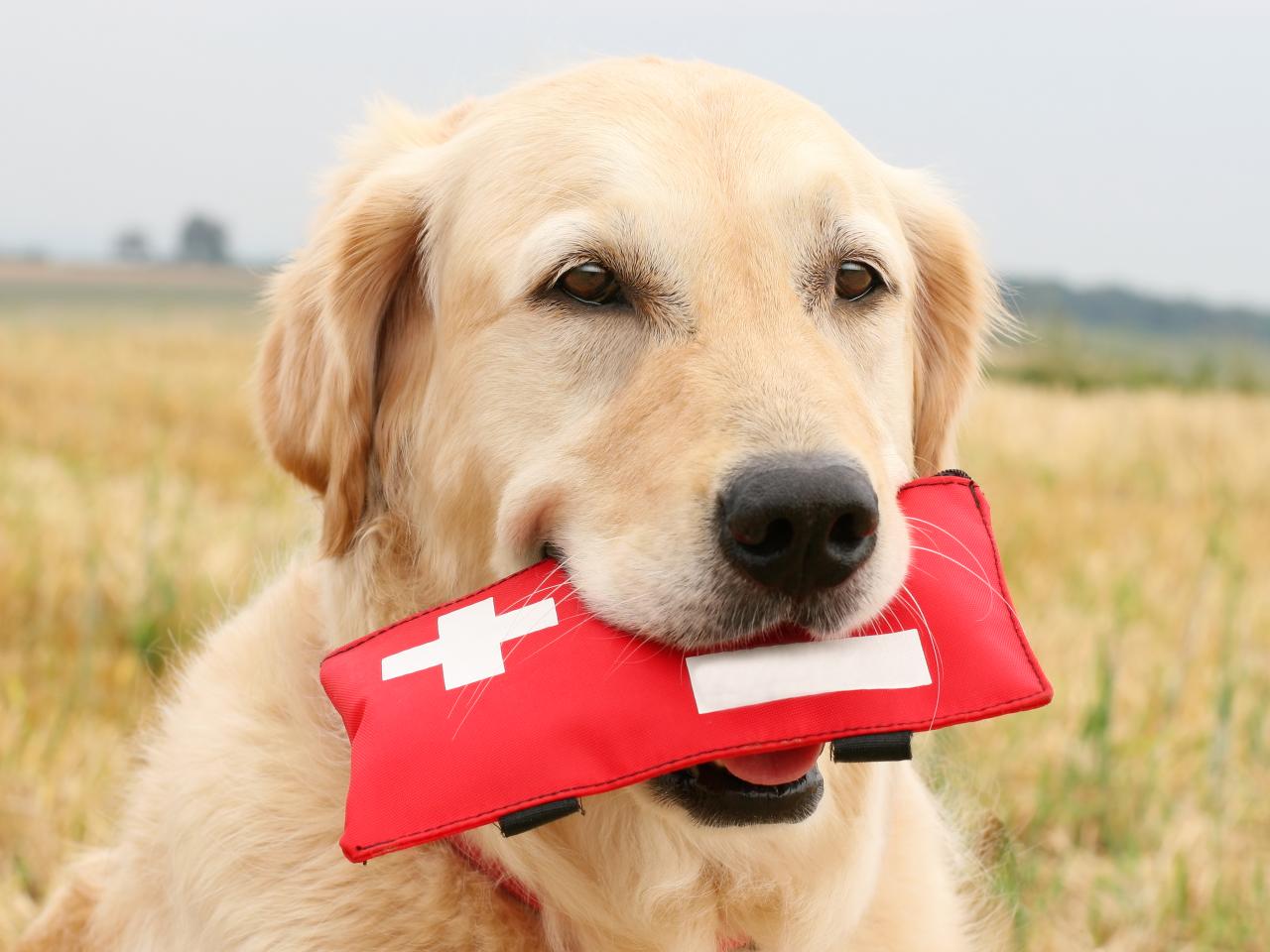
Dog Safety
Dog First Aid Kit: What to Pack Before You Need It
Build a practical dog first aid kit with bandaging supplies, emergency contacts, medical records, transport essentials, and veterinarian-approved items for home, car, and travel.
Read guide