


A microchip is one of the strongest identification tools a dog can have, but having a chip implanted is not the same as having an emergency-ready identification system. The useful version is layered: a readable collar tag for immediate contact, a microchip that can be scanned, a registry record with current information, and a small set of records you can reach quickly if your dog goes missing.
That distinction matters during ordinary escapes, travel, moves, boarding, severe weather, and evacuations. In a disruption, the goal is not simply to prove that your dog has a chip. It is to make it easy for a veterinary hospital, shelter, animal-control team, or good Samaritan to connect that dog back to you.
Here is the practical routine Maxi Pawz recommends reviewing before hurricane season, before a trip, after a move or phone-number change, and during regular preventive veterinary care.
Start with the most common misunderstanding: a microchip is not GPS
A pet microchip does not show your dog’s live location on a map. Miami-Dade County Animal Services explains that the chip stores an identification number, not your full contact record or a tracking signal. When a found pet is scanned, that number is used to identify the registry that may hold the owner’s contact information.
That means a chip can still be physically present while the recovery chain fails because:
- the chip was never registered;
- the registration still has an old phone number, email, or address;
- ownership changed but the registry record did not;
- the owner does not know the chip number or registry company;
- the chip is difficult to detect or has migrated from the expected location;
- the dog’s visible tag is unreadable or missing.
None of those possibilities makes microchipping a bad idea. They are reasons to treat identification as a maintained system rather than a one-time procedure.
Do a five-part identification audit
You can turn a vague “I think the chip is registered” into a much stronger plan with five checks.
1. Confirm the microchip number
Find the number in your veterinary records, adoption paperwork, microchip certificate, or registry account. If you cannot find it, ask a veterinary hospital or shelter to scan your dog.
Do not rely on recognizing the registry brand from memory. Write the actual chip number in a secure place you can access from your phone and include it in your emergency records.
AAHA notes that pet microchips may use 9-, 10-, or 15-digit identification numbers. The number identifies the chip; it is not your phone number, medical record, or GPS location.

A microchip is useful only when it can be scanned and traced to a registry with current contact information. Ask your veterinary team to confirm the chip number during routine care.
Photo by Tony WebsterSource: Wikimedia Commons
2. Identify the registry that currently has the record
The United States does not use one universal owner database for every pet microchip. AAHA’s Microchip Registry Lookup Tool can help identify participating registries associated with a chip number.
The lookup tool does not reveal private owner information and it does not update the record for you. Its job is to point you toward the registry or registries that may maintain the chip’s contact record.
This is especially useful if you adopted a dog whose paperwork is incomplete, changed veterinarians, moved across states, or simply cannot remember which company manages the registration.
A registry can also change over time. AAHA removed one major service from its lookup system after that company ceased operations in 2025, which is a useful reminder that “registered once” should not mean “never check again.”
3. Update the contact information a finder will actually need
Open the registry record and check the details line by line. At minimum, verify your primary phone number and email address. If the registry supports an alternate contact, use a trusted person who is realistically reachable if your phone is unavailable.
Think through storm and travel conditions, not just ordinary days. If a hurricane forces you to leave home, a home landline or outdated address may be less useful than a current mobile number and email.
If you recently changed your name, moved, changed phone carriers, switched email accounts, adopted the dog from someone else, or changed the person who should be called in an emergency, update the registry now rather than waiting until the dog is missing.
4. Ask for a routine scan
AAHA recommends that owners have pets scanned annually to confirm the chip’s function and location. A routine wellness visit is a practical time to do it.
The scan also gives you a chance to compare the number the scanner reads against the number in your records. If they do not match, resolve the discrepancy before you need the information in an emergency.
A microchip is a backup identification layer, not a reason to stop using visible identification.
5. Check the collar tag like a stranger would
Pick up the tag and try to read it without already knowing what it says. Is the phone number still correct? Is the engraving worn smooth? Is the tag hidden under several noisy decorative tags? Is the split ring bent or loose?
AAHA recommends current collar identification in addition to microchipping. That combination makes sense because the two tools solve different problems: a visible tag can let a neighbor call you immediately, while a microchip can still help if the collar is lost.

A readable tag can give a finder an immediate way to call you, while the microchip remains a backup if the collar is lost or removed.
Photo by ElfSource: Wikimedia Commons
Our collar and accessory guide goes deeper on fit, hardware, comfort, and routine inspection.
What should go on a dog ID tag?
There is no single perfect engraving format for every household. Prioritize information that helps a finder reach you quickly without requiring them to guess what to do next.
A practical tag usually includes at least one current phone number. Many owners also include the dog’s name, a second phone number, or a short message such as “microchipped.” If your dog has an urgent condition that a finder truly needs to know immediately, discuss the best way to communicate that with your veterinarian rather than trying to compress a complicated medical history onto a tiny tag.
Avoid putting so much text on a small tag that the engraving becomes difficult to read. The objective is quick contact, not a miniature medical record.
If you use a QR-code tag or connected identification product, treat it as an additional layer rather than the only layer. A finder may have poor cellular service, a dead phone, or no desire to scan an unfamiliar code. Plain-text contact information still has value.
Build a small recovery record before you need it
Identification works faster when you also have the information needed to describe and prove ownership of the dog.
Keep a current digital folder with:
- clear recent photos from the front and both sides;
- one photo of you with your dog;
- the microchip number and registry company;
- vaccination and veterinary information;
- your veterinarian’s contact details;
- the dog’s approximate weight, color, distinctive markings, and any identifying scars;
- a copy or photo of current license or rabies information when applicable;
- an emergency contact who can act if you are unreachable.
ASPCA disaster guidance specifically recommends current identification, a photo of you with your pet, and copies of medical records in emergency planning. Those records are useful far beyond hurricanes: they can help during travel, boarding disruptions, evacuations, or an ordinary open-gate escape.
Store the folder somewhere you can reach if you are away from home. A paper copy in the evacuation kit is useful, but it should not be the only copy.
Why this matters more before a storm
Dogs can become disoriented when familiar routines, sounds, smells, doors, fences, and people change at once. Storm preparation also creates moments when gates are open, cars are being loaded, contractors or relatives are moving through the house, and the dog is operating under an unfamiliar routine.
ASPCA recommends bringing pets indoors when disaster warnings begin and making sure collars, tags, microchips, carriers, records, and emergency supplies are ready before evacuation becomes urgent.
For South Florida households, the identification audit belongs inside the broader hurricane preparedness for dogs guide, not as a substitute for evacuation planning.
A useful pre-storm sequence is:
- confirm the dog’s collar and tag are on and readable;
- verify the microchip record and alternate contact;
- put the dog’s records in the evacuation folder;
- attach your contact information to the travel crate or carrier;
- photograph the dog in current condition;
- keep leash, carrier, medications, food, water, and records together near your planned exit point.
This takes far less time on a calm day than during an evacuation order.
Miami-Dade owners have a local verification option
Miami-Dade Animal Services currently provides pet microchip services and explains how local owners can have a dog or cat scanned at a veterinary office or at its Wellness Clinic. The county also directs owners who know the chip number but not the registry company to AAHA’s universal lookup tool.
That is a useful local resource, but the underlying advice applies nationwide: know the number, know the registry, and keep the registry record current.
Maxi Pawz is a Miami pet brand with nationwide availability, so we use local emergency realities when they genuinely sharpen the routine while keeping the core guidance useful for dog families anywhere in the country.
If your dog is already missing, move quickly
Do not wait for the microchip company to solve the entire search for you.
Contact the microchip registry and report the dog missing if that service is available. Check that your contact information is correct. Contact local animal shelters, animal control, veterinary hospitals, and appropriate local lost-pet channels. Provide a clear recent photo and the dog’s identifying details.
If someone reports finding your dog, use reasonable precautions before sharing sensitive personal information or sending money. A legitimate finder should be able to describe the dog or provide a photo. Recovery scams exist, and urgency can make people easier to pressure.
For injuries, exposure, or illness discovered when the dog is recovered, use your veterinarian or an emergency veterinary hospital rather than trying to treat an unknown problem from internet instructions. Our dog first-aid kit guide focuses on preparation, transport, records, and appropriate first-response supplies.
The best identification system has more than one way home
The strongest takeaway is simple: do not make one device carry the entire recovery plan.
Use a readable collar tag for immediate contact. Use a registered microchip as durable backup identification. Keep the chip number and registry information in your records. Have the chip scanned periodically. Update contact information whenever life changes. Keep current photos and veterinary records where you can reach them quickly.
Then fold that identification system into the routines you already use for travel, hurricanes, boarding, and everyday walks.
It is not complicated technology. It is good maintenance—and in the moment a dog is missing, that maintenance can make the path home much clearer.
Sources & further reading
These references were used to support or expand the information in this article. External guidance can change over time, so check the linked source for the latest details.
- 1. American Animal Hospital Association. Animal Identification and Microchipping — accessed Sep 11, 2026
- 2. American Animal Hospital Association. Microchip Registry Lookup — accessed Sep 11, 2026
- 3. American Animal Hospital Association. Frequently Asked Questions About Pet Microchipping — accessed Sep 11, 2026
- 4. American Animal Hospital Association. 7 Benefits of Microchipping Pets — accessed Sep 11, 2026
- 5. Miami-Dade County Animal Services. Get a Pet ID Microchip Implant — accessed Sep 11, 2026
- 6. ASPCA. Disaster Preparedness — accessed Sep 11, 2026
- 7. ASPCA. How to Stay Prepared and Keep Your Pet Safe During Natural Disasters — accessed Sep 11, 2026
Continue Learning
Related Maxi Pawz guides

Storm & Emergency Safety
Hurricane Preparedness for Dogs: Emergency Kit & Evacuation Checklist
Build a practical hurricane plan for your dog with an emergency kit, current identification, pet-friendly evacuation options, a safe indoor setup, and post-storm precautions.
Read guide
Collars & Accessories
How to Choose and Fit Dog Collars and Accessories
Choose dog collars and wearable accessories with attention to measurements, fit, comfort, identification, materials, hardware, coat changes, and regular inspection.
Read guide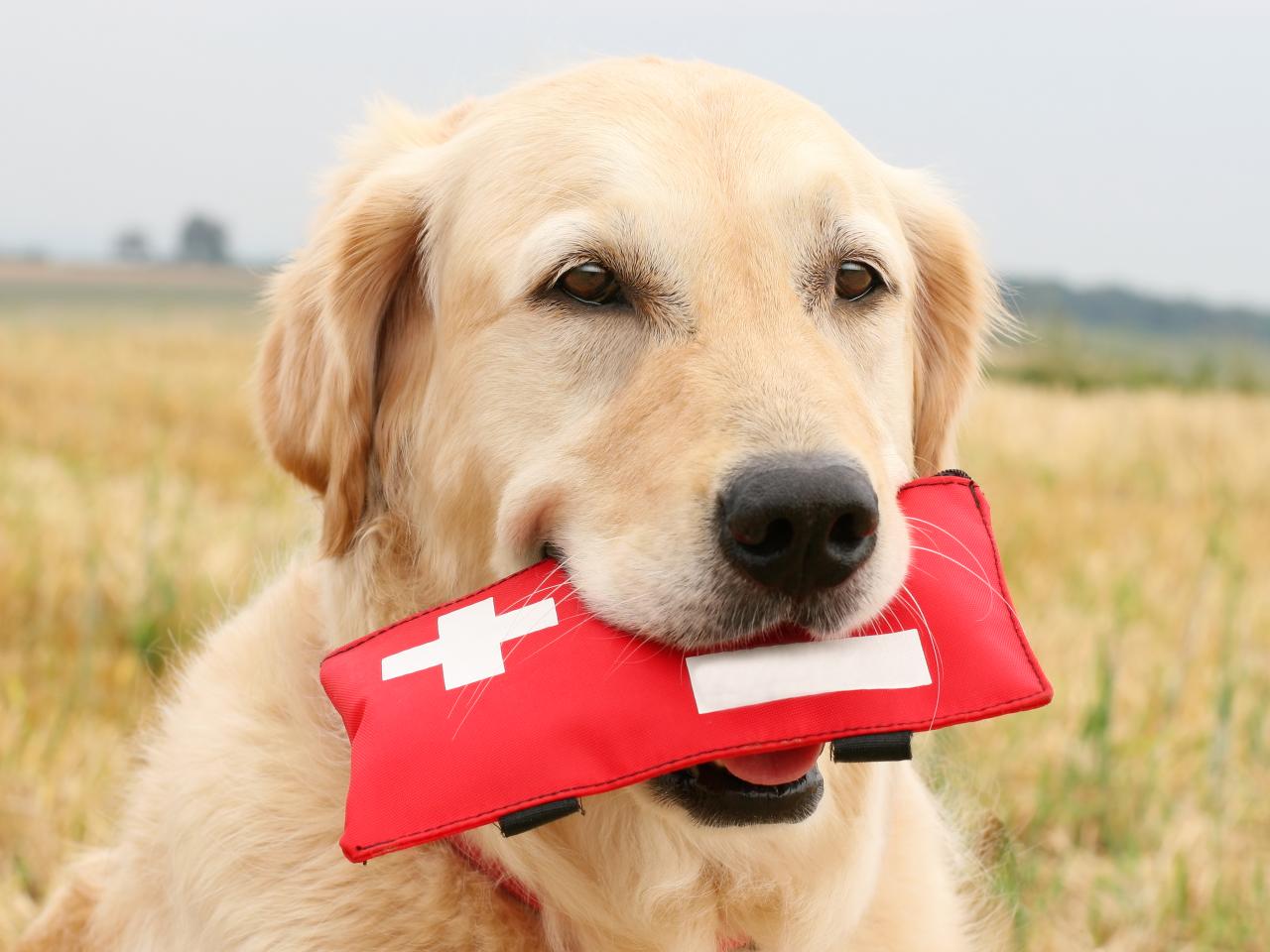
Dog Safety
Dog First Aid Kit: What to Pack Before You Need It
Build a practical dog first aid kit with bandaging supplies, emergency contacts, medical records, transport essentials, and veterinarian-approved items for home, car, and travel.
Read guide