


A microchip is valuable permanent identification, but it is not a GPS tracker and it does not replace a visible ID tag. A practical lost-pet safety routine uses layers: a secure collar with current identification, a registered microchip with current contact information, and—where required—a current local license tag.
That distinction matters in Miami-Dade County. Dogs over four months old are required by the County to be registered and wear their license tag, while microchips provide a second identification path if a collar is lost or removed. The best time to check all three is before a storm, trip, move, phone-number change, or escape ever happens.
What a dog microchip actually does
A pet microchip is a small identification device implanted beneath the skin by a veterinary professional. When a compatible scanner passes over the dog, it reads the chip’s unique identification number. A veterinary hospital, shelter, or animal-control agency can then use that number to determine which registry may hold the owner’s contact information.
AAHA emphasizes an important limitation: the chip itself is not a GPS device. It does not continuously transmit your dog’s location and cannot show you where a missing dog is on a map.
Its value appears when someone finds the dog and has the dog scanned.
A collar tag works differently. It gives the finder an immediate way to see that the dog has a family and, when a current phone number is visible, may allow a reunion without waiting for a scanner. That is why AAHA and AVMA guidance treats microchips and visible identification as complementary rather than competing choices.
Registration is what connects the number to you
Implanting a microchip is only part of the job. The chip number needs to be registered with a pet-recovery registry, and the contact information associated with it needs to stay current.
This is easy to overlook after moving, changing phone numbers, adopting a pet whose chip was registered by someone else, or simply losing the original paperwork.
If you know your dog’s chip number but are unsure which company maintains the registration, AAHA provides a Microchip Registry Lookup Tool. The tool does not reveal private owner information; it identifies registries that may have information associated with the chip so the appropriate company can be contacted.
If you do not know the chip number, ask your veterinary team or a shelter to scan your dog. AAHA also recommends having microchipped pets scanned during routine care to confirm that the chip can still be detected.
A useful annual check is simple:
- confirm the chip can be scanned;
- save the microchip number somewhere you can access quickly;
- confirm which registry maintains it;
- verify your phone number, email, and address;
- update an alternate contact when appropriate.
Do the same check immediately after a move or contact-information change rather than waiting for the next annual visit.
Keep a visible ID tag current too
A microchip sits under the skin, so a person who finds your dog cannot see it. A readable collar tag can communicate immediately that the dog belongs to someone.
At minimum, use contact information that gives a finder a realistic way to reach you. Inspect the tag periodically: engraving can become difficult to read, attachment rings can bend, and collars can wear or loosen.
The identification system is only as useful as its weakest link. A perfectly registered microchip does not make an unsafe collar safer, and a beautiful tag with an old phone number is not useful identification.
Our dog collars and accessories guide covers fit, inspection, wear, and supervision in more detail.

Identification is most useful when it is paired with everyday prevention: secure gear, supervision, and current contact information.
Photo by Ross SneddonSource: Unsplash
Miami-Dade dog owners have an additional local requirement
For Miami-Dade residents, identification is not only a general best practice. Miami-Dade County Animal Services states that dogs over four months of age must be registered with the County and wear the license tag at all times. A current rabies vaccination is required to purchase or renew the mandatory dog license.
That County license tag is separate from a private microchip registry. Think of the systems as different layers rather than interchangeable records.
Miami-Dade Animal Services also provides a License Tag/Microchip lookup service, and its current wellness services include microchipping. County offerings, fees, hours, and eligibility can change, so check the current Animal Services information before making a trip.
This is a genuine local difference: dog owners elsewhere should follow the licensing and identification requirements of their own city, county, or state.
Why this belongs in hurricane preparation
Identification becomes especially important when normal routines break down. Gates can be left open, fences can be damaged, families may evacuate, and dogs may spend time in unfamiliar places during a storm or other emergency.
Before hurricane season—or before an evacuation becomes urgent—confirm that the microchip registration and collar information are current. Keep the chip number, a recent clear photo of your dog, veterinary records, and emergency contacts with your preparedness documents.
Our hurricane preparedness guide and dog first aid kit guide can help turn identification into a broader emergency plan.
If your dog goes missing, do not rely on the chip alone
A microchip improves identification after a dog is found and scanned, but it does not replace active searching.
AAHA recommends using the full range of lost-pet strategies. Contact the microchip registry and make sure your information is correct, notify local shelters and animal-control agencies, contact nearby veterinary hospitals, search the area, and use appropriate lost-pet postings and community channels.
In Miami-Dade, County Animal Services maintains lost-and-found resources and a searchable animal system. The County also requires people who find an unidentified dog or cat to notify Animal Services and have the animal scanned for a microchip within the timeframe specified by County guidance.
If you find someone else’s dog, start with visible identification if it is safe to approach the animal. If there is no usable tag, a veterinary hospital, shelter, or animal-control facility can scan for a microchip.
Build a five-minute identification check into your routine
You do not need to think about microchips every week. You do need a few reliable checkpoints.
Review your dog’s identification when you move, change phone numbers, change emergency contacts, replace a collar, prepare for hurricane season, or plan significant travel. During routine veterinary care, ask whether the chip can be scanned and confirm that you still know where it is registered.
For Miami-Dade dog owners, add the County license and rabies-vaccination status to that check.
The goal is redundancy: visible ID for the fastest possible contact, a registered microchip for permanent backup identification, and current local licensing where required. None is perfect by itself, but together they give a lost dog more ways to get home.
Maxi Pawz is a Miami pet brand with nationwide availability, so our broader recommendation travels well: use secure everyday gear, keep identification current, and pair it with the rules and recovery resources where you actually live. For collars, tags, and other accessories, also review our pet product safety guidance and inspect gear regularly.
Sources & further reading
These references were used to support or expand the information in this article. External guidance can change over time, so check the linked source for the latest details.
- 1. American Animal Hospital Association. 7 Benefits of Microchipping Pets — accessed Aug 28, 2026
- 2. American Animal Hospital Association. Microchip Registry Lookup Tool — accessed Aug 28, 2026
- 3. American Animal Hospital Association. Frequently Asked Questions About Pet Microchipping — accessed Aug 28, 2026
- 4. American Veterinary Medical Association. Microchipping Your Pet — accessed Aug 28, 2026
- 5. Miami-Dade County Animal Services. Animal Licenses & Tags — accessed Aug 28, 2026
- 6. Miami-Dade County Animal Services. Lost & Found Pets — accessed Aug 28, 2026
- 7. Miami-Dade County Animal Services. Pet Vaccinations — accessed Aug 28, 2026
Continue Learning
Related Maxi Pawz guides

Collars & Accessories
How to Choose and Fit Dog Collars and Accessories
Choose dog collars and wearable accessories with attention to measurements, fit, comfort, identification, materials, hardware, coat changes, and regular inspection.
Read guide
Storm & Emergency Safety
Hurricane Preparedness for Dogs: Emergency Kit & Evacuation Checklist
Build a practical hurricane plan for your dog with an emergency kit, current identification, pet-friendly evacuation options, a safe indoor setup, and post-storm precautions.
Read guide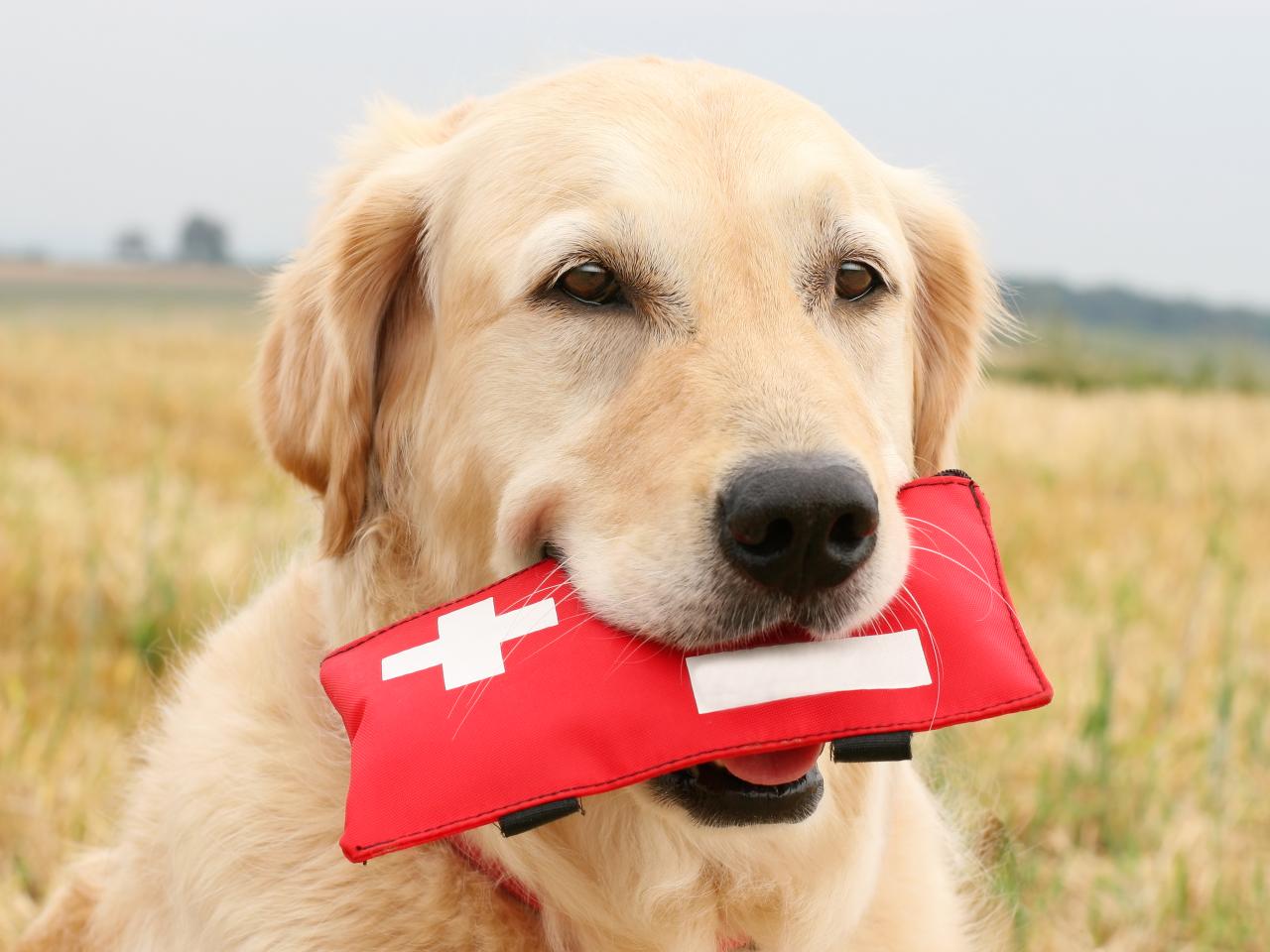
Dog Safety
Dog First Aid Kit: What to Pack Before You Need It
Build a practical dog first aid kit with bandaging supplies, emergency contacts, medical records, transport essentials, and veterinarian-approved items for home, car, and travel.
Read guide