

A dog park can be a great outlet for the right dog on the right day, but off-leash access is not automatically the same thing as safe socialization. Before you unclip the leash, check three things: the park rules, the dogs and people already inside, and whether your own dog is healthy, comfortable, and ready for that environment.
Miami-Dade’s dog-park rules require dogs to be under control, properly vaccinated, and wearing required rabies identification; dogs stay leashed until they are inside the fenced dog area. The County also limits the number of dogs one person may bring and asks owners to monitor their pets rather than leaving them unattended.
Those rules are the baseline. Good judgment starts where the sign ends.
Check the park before you enter
Pause outside the gate for a minute instead of walking straight in.
Look at the space:
- Are the entry and exit gates closing securely?
- Is one dog repeatedly pinning, body-slamming, chasing, or blocking others?
- Are owners actively watching or mostly distracted?
- Is the park crowded enough that your dog has little room to move away?
- Is there standing water, damaged fencing, broken glass, discarded food, or other debris?
- Is the ground or weather too hot for comfortable play?
A dog park that was a good choice yesterday may be a poor choice today because the group, weather, maintenance, or your dog’s condition has changed.
If the environment already feels chaotic from outside the fence, walking away is not a failed outing. It is good risk management.
Make sure your dog is actually ready for shared off-leash space
Miami-Dade’s published rules say dogs should have current vaccinations and not be ill, in heat, or known to be aggressive. Puppies younger than four months are not permitted in County dog parks.
Beyond those minimum rules, consider your individual dog.
A dog park may not be appropriate when a dog:
- is recovering from illness, surgery, or injury;
- has uncontrolled coughing, diarrhea, vomiting, or another potentially contagious condition;
- is highly fearful around unfamiliar dogs;
- guards toys, food, water, or people intensely;
- becomes overwhelmed in groups even if they enjoy one-on-one dog friends;
- has pain or mobility limitations that make fast group play unsafe;
- cannot be interrupted or recalled once aroused.
Not every friendly dog enjoys a dog park. Some dogs prefer parallel walks, one familiar playmate, sniffing outings, or structured enrichment. Social health is about the dog’s actual experience, not checking a box that says they played with strangers.
Keep the leash on until you are fully inside the fenced area
Miami-Dade specifically instructs owners to keep dogs leashed until they are inside the fenced dog area.
That rule also makes behavioral sense. A dog on leash surrounded by loose dogs near an entry gate can feel trapped, while a loose dog in an unsecured transition space can escape.
Move through the gate deliberately:
- Wait if several dogs are crowding the entrance.
- Enter the enclosed transition area if the park has one.
- Close and confirm the gate behind you.
- Enter the actual off-leash area.
- Unclip only when the space is secure and the immediate greeting situation looks manageable.
On the way out, reverse the process: leash before leaving the secure dog area and make sure gates close fully behind you.
Watch body language, not just noise
Healthy dog play can look dramatic. Chasing, wrestling, growling, and brief body contact are not automatically problems.
Look for balance and choice instead. Good play often includes pauses, role reversals, curved approaches, loose bodies, and opportunities for either dog to disengage.
Step in or leave when you see patterns such as:
- one dog repeatedly trying to escape or hide;
- relentless pursuit with no pauses;
- stiff posture and prolonged hard staring;
- repeated pinning without role reversal;
- mounting that continues after the other dog objects or moves away;
- guarding around toys, food, water, or people;
- a dog becoming more frantic rather than settling into play.
Do not wait for a fight to decide the interaction is not working. Leaving while everyone is still under control is much easier than separating dogs after escalation.
Your phone is not supervision
Miami-Dade requires owners to monitor their pets. In practical terms, useful supervision means being close enough to notice when the interaction changes and to call your dog away before a problem grows.
Keep conversations and phone use secondary to watching the dogs. Move through the park rather than standing in one corner while your dog disappears across the field.
Know where your dog is, what they are doing, and which dogs they keep returning to.
If you cannot reliably interrupt your dog’s play, use lower-intensity social situations while you work on recall and check-in skills outside the dog park.
Be thoughtful about toys, treats, and high-value items
A favorite ball can make play better for one dog and create conflict for another.
Before bringing toys or food into a shared off-leash space, consider the park’s rules and the dogs present. Food and high-value toys can trigger guarding or crowding. A ball can also create high-speed collisions when several dogs chase the same object.
For many visits, the simplest choice is to keep treats secured and save toy play for a less crowded environment unless you know the park culture and your dog’s behavior well.
If you use a toy, inspect it before and after the session. Our dog toy safety guide explains why size, wear, loose pieces, and changing play style matter over time.
In Miami, heat and water planning are part of dog-park safety
Off-leash running creates more heat than a slow neighborhood walk. South Florida humidity can also make cooling less efficient.
Bring fresh drinking water instead of assuming a communal bowl is available, clean, or appropriate for your dog. Offer breaks in shade, reduce intensity during hotter parts of the day, and end the session if your dog is struggling to recover normally between bursts of activity.
Our Miami dog hydration guide covers heat, humidity, fresh water, and warning signs in more detail.
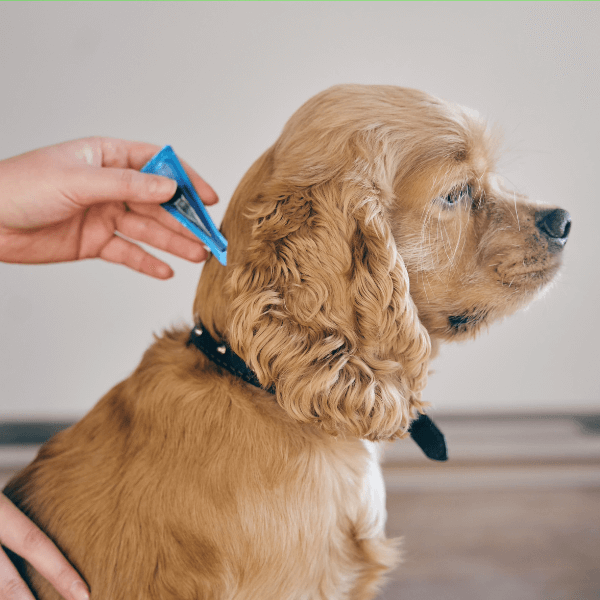
Also inspect paws and coat after outdoor play. Florida grass and brush can mean exposure to ticks and other parasites, which is why year-round flea and tick prevention belongs in the same outdoor routine.
Identification still matters inside a fence
Fences and double gates reduce escape risk; they do not eliminate it.
Use a properly fitted collar or harness as appropriate for your dog, and keep identification information current. Miami-Dade requires applicable license and rabies identification under its local rules.
Check hardware periodically for worn stitching, loose rings, cracked plastic, corrosion, or fit changes. Our collars and accessories guide covers fit and everyday inspection in more detail.
Do not leave a leash dragging behind a dog in active group play unless a qualified trainer has specifically recommended that setup for a controlled exercise. A dragging leash can snag or become something another dog grabs.
Know your exit signs before the visit starts
The easiest dog-park decision is one you make before you are emotionally committed to staying.
Leave when:
- your dog is repeatedly asking for space;
- the park becomes much more crowded;
- a dog with unsafe behavior enters and the owner is not intervening;
- the heat is building faster than expected;
- your dog becomes over-aroused and cannot settle after a break;
- a gate, fence, or surface hazard makes the environment unsafe;
- your dog is limping, bleeding, coughing, vomiting, or otherwise unwell.
You do not need to wait for the scheduled end of the outing. Ten good minutes can be more valuable than forty minutes that deteriorate.
Have alternatives for dogs that do not love dog parks
A dog can have a full, enriched life without group off-leash play.
Alternatives include:
- a walk with one compatible dog;
- a fenced private yard or rented secure field;
- sniff-focused neighborhood walks;
- training games;
- food puzzles and scent work;
- structured play with familiar dogs;
- supervised indoor enrichment during extreme weather.
AAHA’s lifestyle guidance emphasizes evaluating the dog’s real environment, activity, behavior, confinement, and safety needs rather than assuming one social activity fits every dog.
The best social plan is the one your dog can actually enjoy and recover from comfortably.
A safer dog-park routine takes one minute before the gate
Before entering, ask:
Rules: Is my dog eligible for this park today and am I following the local requirements?
Environment: Does the group inside look manageable and is the enclosure secure?
Dog: Is my dog healthy, comfortable, and showing interest rather than avoidance?
Weather: Is the heat and humidity appropriate for active play?
Exit: Can I call my dog away and leave early if the interaction changes?
If those answers line up, the park may be a good choice. If they do not, choose another kind of outing and try again another day.
That flexibility is one of the most useful safety skills a dog owner can bring to an off-leash space.
Sources & further reading
These references were used to support or expand the information in this article. External guidance can change over time, so check the linked source for the latest details.
- 1. Miami-Dade County. Dog Parks — accessed Sep 14, 2026
- 2. Miami-Dade County. Animal Services — accessed Sep 14, 2026
- 3. American Animal Hospital Association. Lifestyle and Safety Assessment — accessed Sep 14, 2026
Continue Learning
Related Maxi Pawz guides
Miami Dog Safety
Flea and Tick Prevention for Florida Dogs: A Year-Round Routine
Build a practical Florida flea-and-tick routine for your dog with veterinarian-guided prevention, post-walk checks, safer product use, home cleaning, and prompt tick removal.
Read guide
Miami Dog Safety
Dog Hydration in Miami Heat: Water, Walking Times & Safety
Help your dog stay hydrated and safer in Miami heat with practical guidance for fresh water, walking times, shade, hot pavement, rest breaks, and warning signs.
Read guide
Collars & Accessories
How to Choose and Fit Dog Collars and Accessories
Choose dog collars and wearable accessories with attention to measurements, fit, comfort, identification, materials, hardware, coat changes, and regular inspection.
Read guide