


In South Florida, a landscaped yard can contain a serious dog hazard that does not look dangerous at all. Sago palms and related cycads are toxic to dogs, and suspected ingestion should be treated as an urgent veterinary problem.
The name is confusing: the sago palm is not a true palm. It is a cycad. ASPCA poison-control resources identify Cycas revoluta and related Zamia species as toxic to dogs, cats, and horses. The seeds are especially concerning, but the practical rule for dog owners is easier to remember: do not allow chewing or ingestion of any part of the plant.
Learn the plant before you need to recognize it
Sago palms are compact ornamental plants with a crown of stiff, feather-like fronds radiating from a central trunk. Mature plants may produce cones or seed structures.
Plant identification from a single internet photo is imperfect, especially because several unrelated landscaping plants are casually called “palms.” If you have a cycad-like plant in a dog-accessible yard, confirm the species through a knowledgeable nursery, horticulture professional, or local extension resource rather than assuming it is harmless.
ASPCA also lists cardboard palm and other cycads in the same hazard family. The safer strategy is to identify the actual plant, not rely on a common name.
Prevention starts with access control
If a known sago palm or cycad is on property your dog uses, the most reliable prevention is eliminating access. A decorative border that a curious dog can push through is not meaningful protection.
Consider removal when practical, especially for dogs that chew plants, dig around roots, pick up fallen material, or spend unsupervised time in the yard. If removal is not immediately possible, use a secure physical barrier and supervise outdoor access.
Regularly inspect the ground around the plant. Fallen seeds or plant pieces can become attractive objects even to a dog that has never chewed the standing plant.
What signs can occur after ingestion?
ASPCA lists vomiting, dark or bloody stool, jaundice, increased thirst, bruising, clotting problems, and liver damage or failure among possible signs of cycad poisoning.
Do not wait for those signs before seeking help. Serious internal injury can develop after ingestion, and early veterinary treatment matters.
If you believe your dog chewed or swallowed part of a sago palm or related cycad, contact a veterinarian or animal poison-control service immediately. Bring a photo or safe sample of the plant if your veterinary team requests it, but do not delay leaving for care just to identify the exact cultivar.
Skip home remedies
Do not induce vomiting or give milk, oil, charcoal, food, medication, or another home treatment unless a veterinarian or qualified poison professional specifically directs you to do so for your dog and situation.
The amount swallowed, time since exposure, plant part, dog’s size, symptoms, and medical history can all affect the response. Generic online instructions cannot safely replace that assessment.
Include landscaping in your dog-safety scan
South Florida dog safety often focuses on heat, water, wildlife, and storms. Landscaping belongs on the same checklist.
Before letting a dog roam a new yard, look for unknown plants, mushrooms, fertilizers, pesticides, sharp seed pods, standing water, wildlife access points, and gaps in fencing. At rental homes and vacation properties, assume ornamental plants need identification before a plant-chewing dog has free access.
Our dog first aid kit guide can help keep veterinary contacts and transport supplies organized. For other genuinely local hazards, review our cane toad safety guide and Florida snake safety guide.
A safer yard is not one where you can name every plant from memory. It is one where unknown hazards are identified before the dog gets the chance to investigate them with their mouth.
Sources & further reading
These references were used to support or expand the information in this article. External guidance can change over time, so check the linked source for the latest details.
- 1. ASPCA Animal Poison Control Center. Toxic and Non-toxic Plants: Sago Palm — accessed Sep 20, 2026
- 2. ASPCA. The Dangers of the Sago Palm — accessed Sep 20, 2026
- 3. ASPCA Animal Poison Control Center. Toxic and Non-toxic Plants: Cardboard Palm — accessed Sep 20, 2026
Continue Learning
Related Maxi Pawz guides
Dog Safety
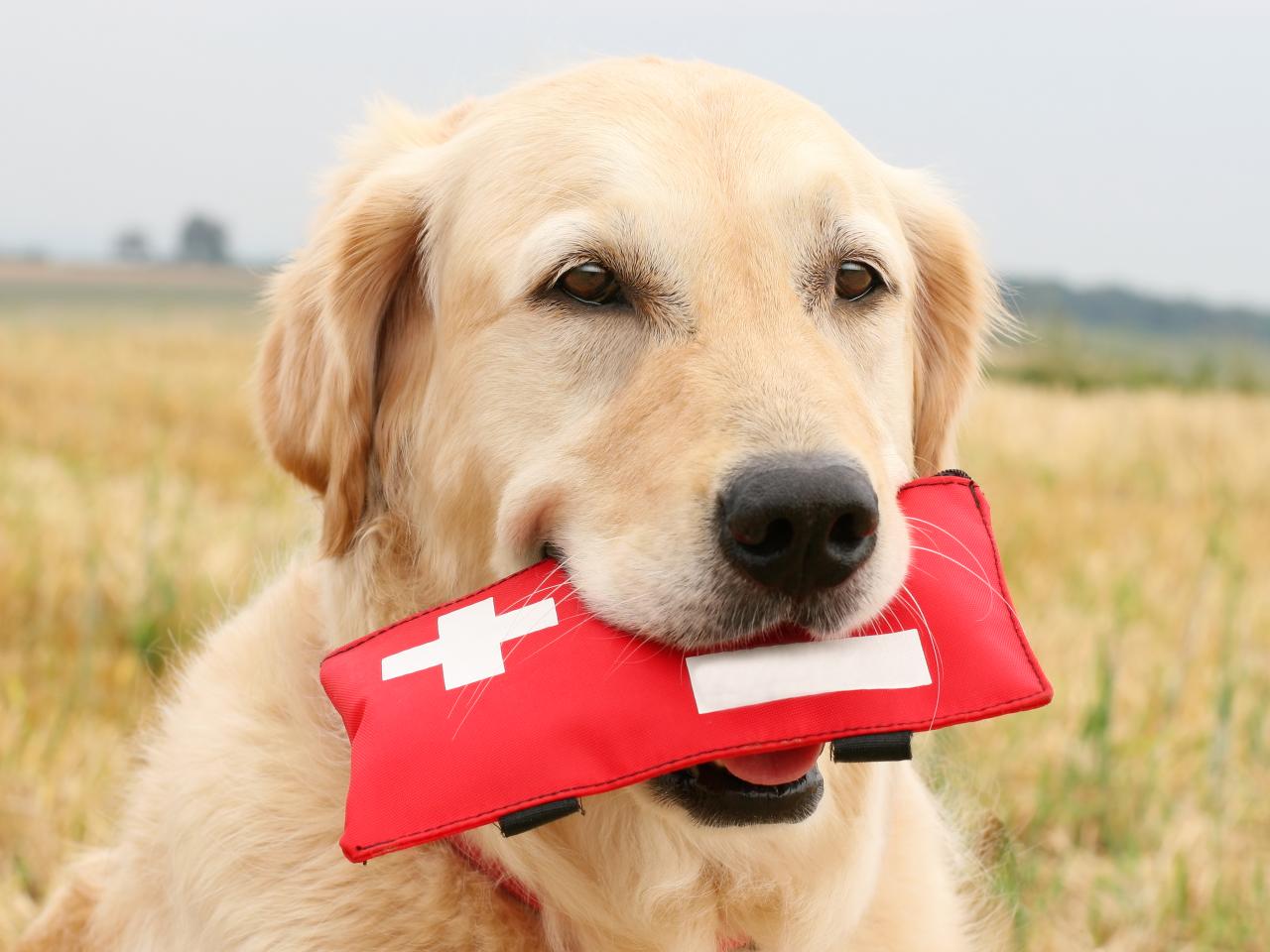
Dog First Aid Kit: What to Pack Before You Need It
Build a practical dog first aid kit with bandaging supplies, emergency contacts, medical records, transport essentials, and veterinarian-approved items for home, car, and travel.
Read guideMiami Dog Safety
Cane Toads and Dogs in South Florida: Prevention and What to Do After Exposure
Learn how South Florida dog owners can reduce cane-toad encounters, recognize a possible toxin exposure, respond immediately, and know when emergency veterinary care is needed.
Read guide
Miami Dog Safety
Snake Safety for Dogs in Florida: Prevention and What to Do After a Bite
Learn practical ways to reduce snake encounters with your dog in Florida, recognize when a possible bite is an emergency, and know what to do on the way to veterinary care.
Read guide