


If your dog drools, licks their lips, whines, becomes unusually quiet, pants, swallows repeatedly, or vomits in the car, motion sickness may be part of the problem—but travel anxiety can look similar and the two can overlap.
The useful goal is not simply to stop a mess in the back seat. It is to notice when symptoms begin, make the ride physically safer and more predictable, practice in small steps, and involve your veterinarian when nausea is persistent, severe, new, or difficult to separate from another medical problem.
Dogs that repeatedly get sick in the car do not need to “push through it.” Repeated unpleasant rides can make the vehicle itself a warning signal, so treating nausea and rebuilding a calmer car association may need to happen together.
Learn the early signs before vomiting happens
Vomiting is the obvious sign of car sickness, but it is often not the first one.
Watch for a pattern that begins after getting into the car, after the engine starts, or once the vehicle begins moving. Possible signs include:
- excessive drooling or suddenly wet lips;
- repeated lip licking, swallowing, or yawning;
- restlessness or frequent position changes;
- whining or vocalizing;
- panting that does not fit the temperature or recent activity;
- reduced interest in treats during a ride;
- retching or vomiting;
- diarrhea in some dogs;
- becoming very still, withdrawn, or reluctant to get into the vehicle on later trips.
These signs are not specific enough to diagnose motion sickness by themselves. A dog can drool or pant because of fear, heat, pain, nausea, or another problem. What makes your notes useful is the timing and repeatability of the pattern.
For a few rides, record what happens while the car is parked, when the engine starts, during the first minutes of movement, on turns, after stops, and once the ride ends. That gives your veterinary team much better information than simply saying, “My dog hates the car.”
Motion sickness and car anxiety can reinforce each other
A dog may begin with true motion-related nausea and then learn that the car predicts feeling sick. Another dog may become anxious because car rides usually lead to stressful destinations. Some dogs appear uncomfortable before the vehicle even moves.
That distinction matters because the plan may need two tracks:
For motion-related nausea, your veterinarian may recommend changes to travel preparation and, when appropriate, medication.
For learned fear or anxiety, gradual exposure and positive associations can help the dog become more comfortable with the vehicle itself.
In real life, many dogs need some of both. If nausea is not controlled, training can be difficult because each practice ride keeps pairing the car with feeling unwell. If fear remains intense, preventing vomiting alone may not make the ride comfortable.
AAHA travel guidance recommends acclimating pets gradually with short car rides, and VCA advises consulting a veterinarian when a dog does not travel well rather than improvising sedatives or other medications.
Start practice before you need a long drive
Do not make a four-hour road trip the first training session.
Begin with the car parked in a safe location. Let your dog enter using the same restraint system or carrier you plan to use during real trips. Spend a short, calm period in the stationary vehicle, then leave before the dog becomes distressed.
Once the dog is comfortable in the parked car, progress gradually:
- Sit in the parked vehicle with the travel setup in place.
- Start the engine without driving.
- Make a very short, smooth trip.
- Return home or go somewhere the dog enjoys.
- Increase ride length only while the previous step remains manageable.
The pace is individual. The point is to create enough successful repetitions that the dog is not repeatedly rehearsing nausea, panic, or escape attempts.

Short, calm practice rides can help you observe whether symptoms appear with vehicle movement, anticipation, or both. Photo licensed CC BY 2.0.
Photo by Jernej FurmanSource: Wikimedia Commons
Keep the restraint setup consistent during this practice. FDA travel guidance, citing AVMA recommendations, places pets in the back seat properly restrained in an appropriate crate, carrier, or safety harness. That is a safety issue first, but consistency can also make training more predictable.
For the broader restraint, break, heat, hydration, and road-trip checklist, use our dog car travel safety guide alongside this motion-sickness plan.
Adjust meals without creating a new problem
A large meal immediately before travel can make an already sensitive stomach harder to manage. FDA travel guidance recommends avoiding a large meal before travel, while AAHA similarly advises against feeding a large meal right before the trip to help reduce motion-sickness risk.
That does not mean every dog should be fasted for the same number of hours. Puppies, dogs with diabetes or other medical conditions, dogs taking medications with food, and dogs with special dietary needs may require a different plan.
For routine trips, ask your veterinarian how to time your dog’s normal food and medications around travel. For longer drives, bring the dog’s usual food rather than experimenting with rich travel-day treats or unfamiliar meals.
Fresh water still matters. Offer water during appropriate stops, especially on warm days, while avoiding the assumption that restricting water is a universal solution to motion sickness.
Keep the cabin comfortable, but do not trade nausea for another safety risk
FDA notes that fresh air circulation can help pets with motion sickness. A cool, well-ventilated cabin is also more comfortable for a dog that is already panting or nauseated.
But “open a window” does not mean letting your dog ride with their head outside. Keep the dog safely restrained and the opening small enough that they cannot put their head or body through it.
Choose smooth driving when conditions allow. Hard acceleration, abrupt braking, and aggressive cornering can make a sensitive passenger less comfortable. Secure loose travel items so they do not slide into the dog’s space.
Never use a parked vehicle as a waiting room for a nauseated dog. Hot-car risk is a separate emergency and is covered in more detail in our car travel safety guide.
Ask your veterinarian about medication before the trip becomes unavoidable
Some dogs continue to vomit despite thoughtful meal timing, gradual practice, and a comfortable travel environment. Veterinary treatment can be appropriate.
The FDA has approved maropitant citrate tablets for prevention of vomiting due to motion sickness in dogs. It is a prescription medication, and the FDA specifically notes that veterinary expertise is needed to determine whether it is appropriate for an individual dog.
That is the useful takeaway—not a do-it-yourself dose.
Do not give a dog human motion-sickness medicine, a leftover prescription from another pet, a sedative, or a combination product simply because it is available at home. Different products have different active ingredients, contraindications, interactions, age restrictions, and effects on alertness.
If your dog gets carsick, tell your veterinarian:
- the dog’s age and weight;
- how soon signs begin after entering or moving in the car;
- whether symptoms happen while the car is still parked;
- whether vomiting occurs every trip or only on longer rides;
- what the dog ate and when;
- all current medications and supplements;
- whether the dog also shows panic, trembling, escape behavior, or intense avoidance;
- whether similar nausea, balance problems, or vomiting occur outside the car.
That information helps the veterinary team decide whether this sounds like straightforward travel sickness or whether another problem should be investigated.
Do not assume every episode of vomiting is carsickness
A dog that vomits only during vehicle travel and returns to normal afterward has a different pattern from a dog that is vomiting at home, losing appetite, acting painful, becoming weak, or showing balance problems.
Contact your veterinarian when vomiting is repeated, severe, newly developing in a dog that previously traveled well, or accompanied by other concerning signs. Seek more urgent veterinary care if your dog cannot keep water down, becomes markedly weak or collapsed, has a swollen or painful abdomen, vomits blood, has trouble breathing, develops significant disorientation or balance changes, or you suspect toxin or foreign-object ingestion.
Do not let the car ride create tunnel vision. Travel may reveal a problem without necessarily causing it.
If you are away from home when your dog becomes ill, having emergency contacts, medication information, and records organized can save time. Our dog first aid kit guide explains how to prepare that information before a trip.
A dog that suddenly gets carsick deserves a fresh look
Puppies and young dogs are often discussed in connection with motion sickness, but a dog can develop travel problems at any age.
If an adult or senior dog that previously rode comfortably begins drooling, vomiting, losing balance, or resisting the car, do not automatically label the change as “behavioral.” Pain, ear or vestibular problems, gastrointestinal illness, medication effects, or other health changes can alter travel tolerance.
A veterinary exam is particularly important when symptoms also occur outside the vehicle or when you see a head tilt, abnormal eye movements, stumbling, persistent nausea, or other neurologic or balance signs.
Make the destination part of the training plan
If every car ride ends at the veterinarian, groomer, boarding facility, or another place your dog finds difficult, anticipation can become part of the problem.
Mix in short rides to neutral or enjoyable destinations when your dog is physically comfortable enough to participate. A brief drive followed by a calm sniff walk can create a very different association from a long ride ending in a stressful procedure.
Keep treats modest if food worsens nausea. For some dogs, praise, a favorite toy after the ride, or access to a pleasant destination may be a better reinforcer than repeated food during motion.
The important part is that the dog experiences the car without every trip predicting sickness or stress.
Choose travel gear for safety and fit—not as a motion-sickness cure
A carrier, crate, booster-style seat, harness, mat, or seat protector may help organize the travel space, but accessories do not treat nausea by themselves.
Choose travel products according to their actual intended use, your dog’s size and behavior, the vehicle setup, and the manufacturer’s instructions. Inspect straps, closures, attachment points, stitching, and hardware regularly. Replace damaged gear instead of assuming it is still safe because it looks mostly intact.
Our guide to choosing the right dog product and Maxi Pawz Product Safety principles can help you evaluate travel accessories without confusing comfort claims with medical treatment or crash-protection claims.
Miami weather changes the travel environment, not the diagnosis
Maxi Pawz is a Miami pet brand with nationwide availability, and this guide intentionally has nationwide relevance. Motion sickness does not require a Miami-specific diagnosis or treatment plan.
South Florida does add one practical layer: a dog that is already nauseated, panting, or stressed can become less comfortable in a warm vehicle very quickly. Cool the cabin before loading the dog when possible, keep travel water accessible for stops, and never leave the dog unattended in a parked car.
Those are climate-aware travel habits, not local medical rules.
Build a repeatable plan before the next necessary trip
For a dog that gets carsick, the most useful routine is usually simple:
notice the early signs, keep the dog safely restrained, practice with short predictable rides, avoid a large meal immediately before travel, keep the cabin comfortable, and involve your veterinarian when nausea persists or medication may be needed.
If anxiety is part of the picture, work on the emotional association with the car as well as the stomach symptoms. And if the pattern changes suddenly or illness continues outside the vehicle, treat that as a medical question rather than assuming the dog simply needs more practice.
A comfortable traveler is not created by forcing longer rides. It is built by making each step safer, more predictable, and appropriate for the individual dog.
Sources & further reading
These references were used to support or expand the information in this article. External guidance can change over time, so check the linked source for the latest details.
- 1. U.S. Food and Drug Administration. Travel Training for You and Your Pets — accessed Sep 8, 2026
- 2. U.S. Food and Drug Administration. FDA Approves First Generic Maropitant Citrate Tablets for Use in Dogs to Prevent Vomiting — accessed Sep 8, 2026
- 3. VCA Animal Hospitals. Road Trips and Car Travel With Your Dog — accessed Sep 8, 2026
- 4. American Animal Hospital Association. Traveling Safely With Your Pet: The Ultimate Guide — accessed Sep 8, 2026
Continue Learning
Related Maxi Pawz guides

Dog Safety
Dog Car Travel Safety: Restraints, Heat, Breaks & Road Trips
Build a safer car-travel routine for your dog with appropriate restraint, gradual ride practice, heat precautions, water and break planning, travel records, and practical road-trip gear.
Read guide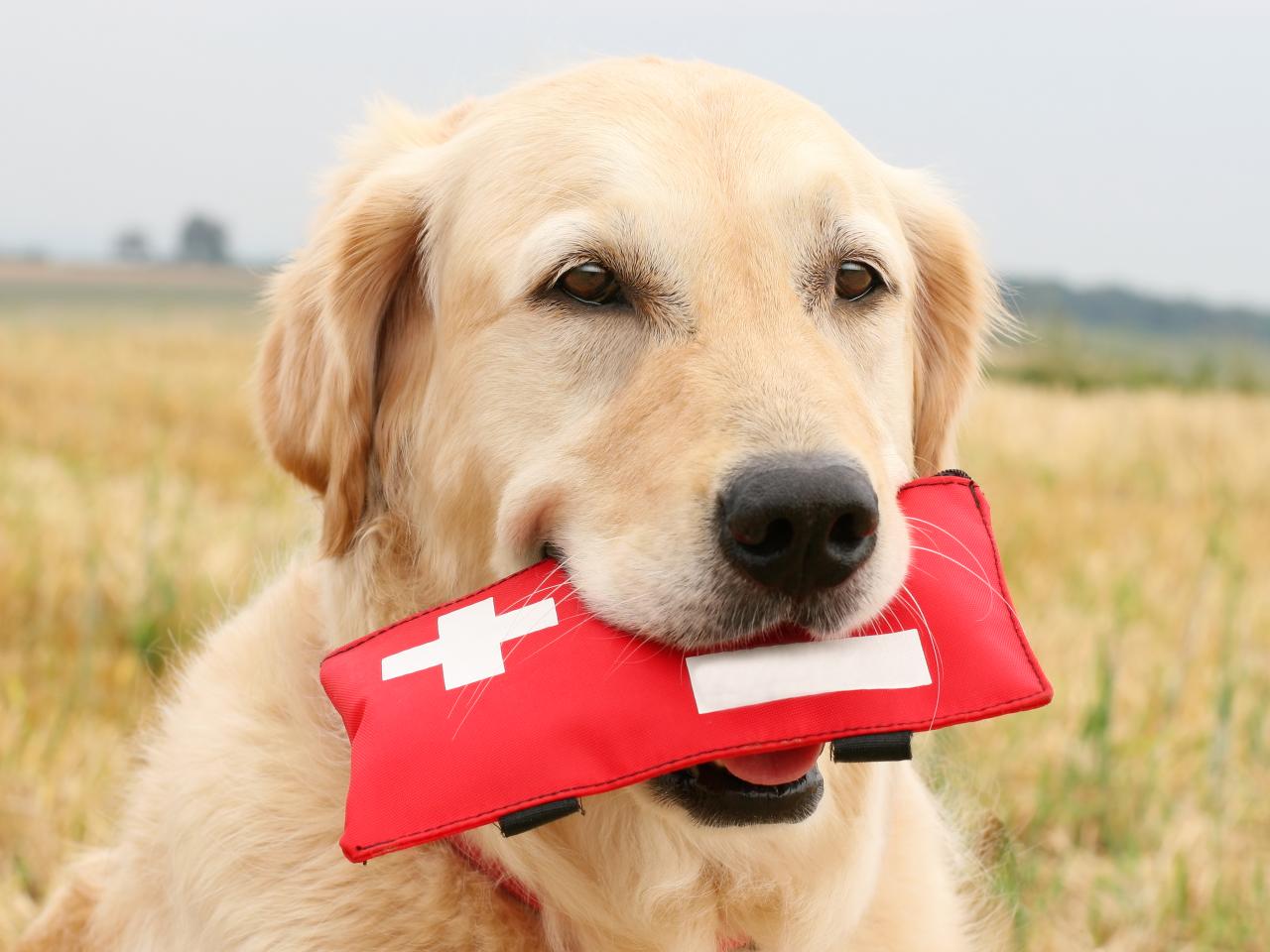
Dog Safety
Dog First Aid Kit: What to Pack Before You Need It
Build a practical dog first aid kit with bandaging supplies, emergency contacts, medical records, transport essentials, and veterinarian-approved items for home, car, and travel.
Read guide
Dog Product Safety
How to Choose Safe Toys and Products for Your Dog
Learn how to choose dog toys and everyday products based on your dog’s size, age, habits, play style, materials, fit, supervision needs, and daily routine.
Read guide