


A hurricane evacuation is the wrong time to discover that your dog will not enter a crate, that the carrier no longer fits, or that the crate cannot be loaded into your vehicle. Crate practice is an emergency skill: the useful goal is for your dog to enter with familiar cues, tolerate the door being closed, settle for transport, and repeat the routine even when the household is busier than usual.
For Miami and South Florida families, that preparation belongs beside the food, water, records, medications, identification, and evacuation destination in the hurricane plan. Miami-Dade County specifically tells residents to include pets in hurricane planning and to keep animals in carriers or crates during a storm. The ASPCA likewise emphasizes practicing crate skills before a crisis instead of waiting until an evacuation is already underway.
This guide focuses on that missing practice layer. It does not replace a full hurricane preparedness plan for dogs; it helps make one important part of that plan actually usable under pressure.
Start with the crate you would really use
Training with one setup and evacuating with another can create an unnecessary surprise. If possible, practice with the crate or carrier you expect to use for transport.
Before asking your dog to spend time inside it, inspect the equipment. Check the door, latch, hinges, handle, fasteners, seams, ventilation openings, and floor. Remove or replace a crate that is cracked, bent, missing hardware, difficult to close securely, or otherwise damaged.
The dog also needs enough usable space for the intended situation. A transport crate should allow the dog to stand, reposition, and lie down without being compressed into an unnatural posture. Avoid adding so much bedding or loose equipment that the interior becomes crowded or ventilation is blocked.
For a small carrier, confirm that you can lift it safely with the dog inside and that the handle and attachment points are sound. For a larger crate, decide in advance who will move it and how it will get through doors, hallways, stairs, elevators, and into the vehicle.
Do not treat a wire crate, plastic carrier, soft carrier, walking harness, or improvised tie-down as automatically providing crash protection. Emergency evacuation and crashworthiness are different questions. For routine vehicle preparation, see our dog car travel safety guide and follow the manufacturer’s instructions for the exact equipment you use.
Make entering the crate an ordinary behavior
The fastest way to make an emergency crate feel unfamiliar is to keep it folded in a closet until the weather turns bad.
Set the crate up in a normal part of the home before you need it. At first, leave the door secured open so it cannot swing into the dog. Let your dog investigate without being pushed or pulled inside.
You can toss a few pieces of the dog’s regular food or small treats near the entrance, then just inside, then farther toward the back. Some dogs may also be comfortable eating a meal near or inside the open crate. The point is not to lure the dog in and suddenly shut the door. The point is to build repeated, low-pressure entries that do not predict something unpleasant.
Use a simple cue only after the behavior is becoming predictable. A phrase such as “crate,” “inside,” or another short cue your household can remember is enough. Say it once, then give the dog a chance to respond rather than repeating it rapidly.

The long-term goal is not to force a dog into confinement. It is to make the crate familiar enough that entering and resting there are practiced behaviors before an emergency. Photo licensed CC BY.
Photo by TeneabSource: Wikimedia Commons
If the dog enters, takes the food, and immediately leaves, that can still be useful early practice. Calm voluntary repetitions are more valuable than physically forcing a reluctant dog inside and creating a new reason to avoid the crate.
Add the closed door in small steps
A dog who happily walks into an open crate has learned only part of the emergency routine. Evacuation may require the door to close while you move through the home, load the vehicle, check in at temporary lodging, or wait in a safer location.
Build that skill gradually. Once your dog is comfortable entering, briefly touch or move the door and reward calm behavior. Progress toward closing it for a short, manageable period while you remain nearby, then reopen it before the dog becomes highly distressed.
Increase difficulty based on the dog’s response rather than a rigid calendar. A dog that remains loose-bodied, takes food normally, rests, or calmly watches you may be ready for a slightly harder step. A dog that is repeatedly throwing its body against the door, biting the crate, injuring the mouth or paws, panting heavily in a cool room, or escalating instead of settling needs a different plan—not simply a longer confinement session.
If confinement triggers intense panic, self-injury, or a pattern that may be related to separation distress, talk with your veterinarian and, when appropriate, a qualified behavior professional before making emergency practice more difficult.
Rehearse the leash-to-crate transition
During a real warning, your dog may not already be standing beside the crate. Doors may be opening, bags may be moving, people may be calling one another, and storm sounds may be building outside.
Practice the transition you would actually use:
- Put on the dog’s normal collar or harness and leash.
- Walk together to the crate.
- Give the familiar entry cue.
- Close and secure the door.
- Pick up or move the crate only in the safe way you planned.
Keep early rehearsals simple. You are teaching a sequence, not trying to manufacture panic at home.
Visible identification matters during this sequence too. Miami-Dade County advises keeping a pet’s collar and tag on during hurricane conditions, and ASPCA preparedness guidance recommends putting the pet’s name plus the owner’s name and contact information on the carrier. Check your dog’s collar fit and tag condition with our collars and identification guide, and keep microchip registration information current as an additional layer of identification.
Put the crate in the vehicle before evacuation day
A crate that fits perfectly in a bedroom may not fit through the vehicle opening you expected to use.
Before hurricane conditions arrive, do a dry run with the empty crate. Confirm where it will ride, whether vehicle doors and the hatch can close normally, whether the crate blocks the driver’s view, and whether other emergency supplies can still be loaded without crushing or obstructing it.
Then practice with the dog. Start with the parked vehicle in a safe location. Move from crate entry to loading, a short period in the vehicle, unloading, and returning home. If that goes smoothly, work toward an ordinary short drive.

Include the real vehicle in your practice plan so you know the crate fits, doors can close safely, and loading does not become a first-time task during an evacuation. Photo licensed CC BY-SA 3.0.
Photo by ElfSource: Wikimedia Commons
This rehearsal can uncover practical problems while they are easy to fix: a crate that is too bulky, a carrier that tips when lifted, a dog that becomes carsick, a hatch that will not close around the planned setup, or a household emergency kit that leaves no safe room for the dog.
Never leave the dog alone in a parked vehicle while practicing. Heat can become dangerous rapidly, especially in South Florida. The crate is a transport tool, not a reason to use the vehicle as a waiting room.
Practice one complete evacuation drill
Once the individual skills are familiar, connect them into a realistic drill. You do not need to simulate a hurricane. You need to prove that the household can move the dog and the essential supplies without improvising every step.
A useful drill can look like this:
- one person gets the dog on leash;
- another person retrieves the pet go-bag and records;
- the dog enters the crate on the familiar cue;
- the crate and essential supplies are loaded into the vehicle;
- the household confirms everyone and every pet is accounted for;
- you complete a short, ordinary drive and then return home.
If you have more than one pet, practice the plan with all of them. Do not assume animals that normally coexist peacefully will behave exactly the same way during a high-stress evacuation. AVMA disaster guidance recommends individual transport carriers for small pets and emphasizes having appropriate transportation equipment ready before an evacuation order.
Use the drill to refine roles. Who handles each animal? Who carries medications? Who checks that carriers are latched? Who has the destination information? If the person who usually handles the dog is away, can another household member complete the same routine?
Keep the go-bag beside the training plan
Crate training solves only the movement problem. The supplies still need to travel with the dog.
Keep a compact emergency kit where it can be reached quickly. Depending on your dog and veterinary needs, that can include food, water, bowls, necessary medications, vaccination and medical records, veterinarian contact information, waste bags, a backup leash, a recent photo, and basic first-aid supplies.
Our dog first-aid kit guide explains how to organize emergency records and supplies without turning the bag into a collection of improvised medications.
Label the crate or carrier with current contact information. Keep a second copy of essential records digitally if that works for your household. A paper packet can be useful when power or connectivity is unreliable, while a secure digital copy gives you another way to access information if the physical bag is lost or wet.
Miami-Dade families should connect training to the local plan
Hurricane season in Miami-Dade runs from June 1 through November 30, so crate practice should happen before a named storm is forcing last-minute decisions.
Miami-Dade County encourages residents in evacuation zones, unsafe structures, or trailers to use pet-friendly evacuation centers when they are activated. Availability and instructions can change with the emergency, so check current County information rather than assuming a particular site is open.
If you shelter at home, County guidance says to stay together and keep pets in a crate or carrier in a safe area. During a hurricane, Miami-Dade also advises keeping animals in carriers or crates while the household follows official safety instructions.
That is why this article uses localIntent without making the training itself Miami-only: the crate skill is nationally useful, but Miami-Dade’s hurricane and sheltering context makes it especially practical here. Families elsewhere should pair the same training routine with their own local emergency-management and shelter guidance.
Do not wait for thunder to introduce the crate
A storm may change a dog’s behavior. Wind, rain, pressure changes, alarms, household movement, and unfamiliar surroundings can all make a normally easy routine harder.
Do not deliberately expose a dog to frightening storm conditions as a training shortcut. Build crate fluency during ordinary days. If your dog already has significant storm fear, discuss that separately with your veterinarian before hurricane season. A dog that is panicking because of severe noise fear may need a broader management or treatment plan than crate practice alone can provide.
Familiar bedding or a safe familiar item may help some dogs settle, but only use items appropriate for that individual dog and the crate environment. Avoid anything the dog is likely to shred and swallow, wrap around the body, or use to block ventilation. Inspect bedding and comfort items the same way you would inspect any other pet product; our Pet Product Safety guidance covers supervision, wear, damage, and replacement decisions.
Maintain the skill after the first successful drill
Crate comfort is not a one-and-done hurricane-season project. Dogs change, equipment wears, vehicles change, families move, and emergency plans get forgotten.
Keep the crate accessible enough that it remains part of normal life. Repeat easy entries occasionally. Take a short ordinary ride from time to time if car travel is appropriate for your dog. Recheck the crate fit as puppies grow, adult dogs gain or lose weight, or mobility changes with age.
Before each hurricane season—and again when a storm begins to look relevant to your area—inspect the crate, identification, medications, records, food, water, and the rest of the evacuation kit. Replace damaged equipment before shortages and urgent errands make the job harder.
The best test is simple: if you had to leave today, could your dog enter the actual crate, could your household secure it correctly, and could the full setup fit safely into your evacuation plan? If the answer is not yet yes, the next calm practice session is more useful than waiting for the forecast to become urgent.
For the bigger picture, continue with our Hurricane Preparedness for Dogs guide, which covers evacuation destinations, supplies, identification, sheltering, and post-storm hazards beyond crate training itself.
Sources & further reading
These references were used to support or expand the information in this article. External guidance can change over time, so check the linked source for the latest details.
- 1. Miami-Dade County Animal Services. Pet Safety Tips — accessed Sep 10, 2026
- 2. Miami-Dade County. During a Hurricane — accessed Sep 10, 2026
- 3. ASPCA. An Inside Look and Disaster Preparedness Tips from an ASPCA Disaster Response Expert — accessed Sep 10, 2026
- 4. ASPCA. Disaster Preparedness — accessed Sep 10, 2026
- 5. American Veterinary Medical Association. Disaster Preparedness Series: Saving the Whole Family — accessed Sep 10, 2026
Continue Learning
Related Maxi Pawz guides

Storm & Emergency Safety
Hurricane Preparedness for Dogs: Emergency Kit & Evacuation Checklist
Build a practical hurricane plan for your dog with an emergency kit, current identification, pet-friendly evacuation options, a safe indoor setup, and post-storm precautions.
Read guide
Dog Safety
Dog Car Travel Safety: Restraints, Heat, Breaks & Road Trips
Build a safer car-travel routine for your dog with appropriate restraint, gradual ride practice, heat precautions, water and break planning, travel records, and practical road-trip gear.
Read guide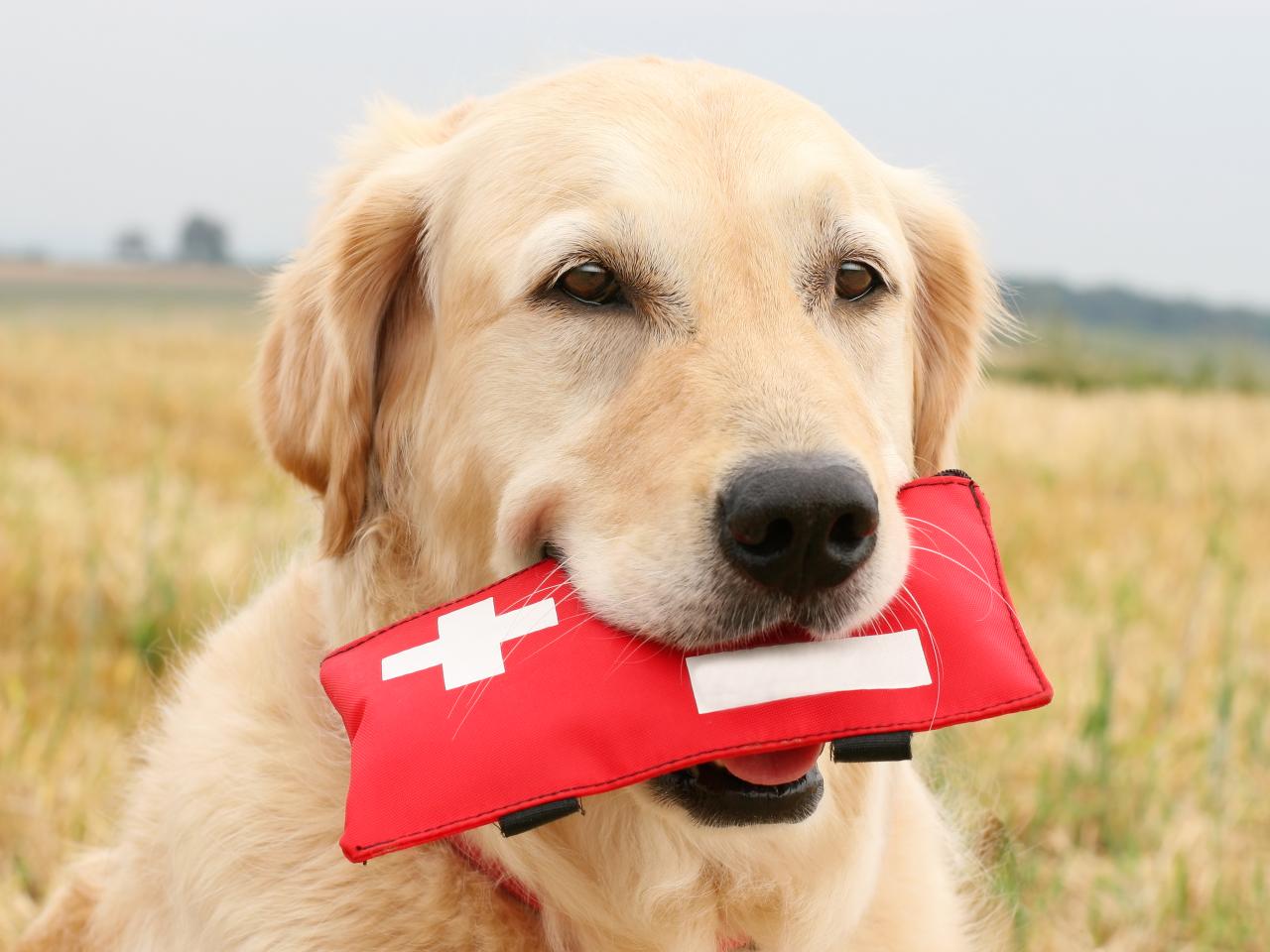
Dog Safety
Dog First Aid Kit: What to Pack Before You Need It
Build a practical dog first aid kit with bandaging supplies, emergency contacts, medical records, transport essentials, and veterinarian-approved items for home, car, and travel.
Read guide